 Samantha
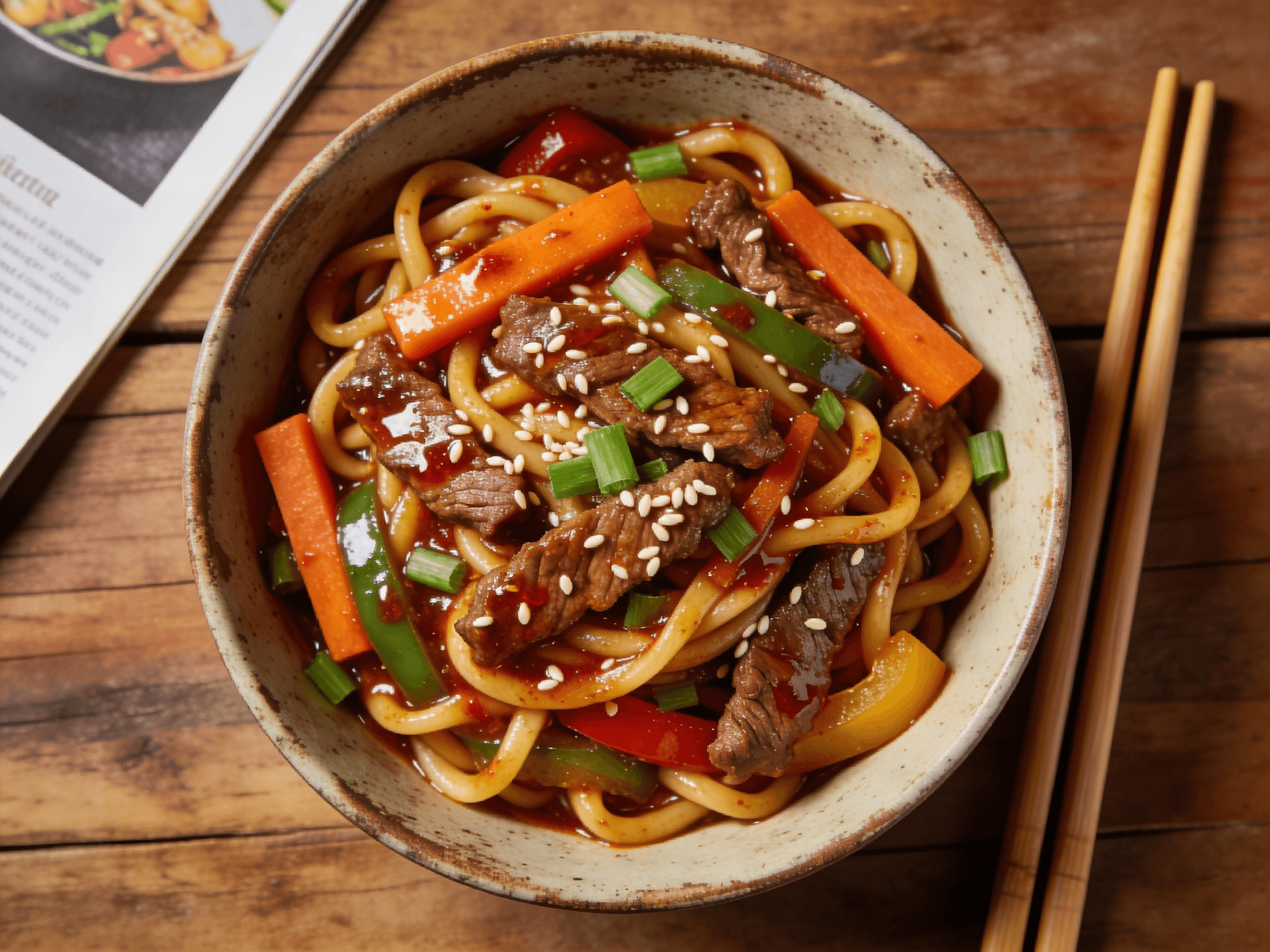
 This Korean Beef Noodle Stir Fry is a quick and easy 30-minute dinner loaded with tender beef, savory garlic-soy sauce, chewy noodles, and bold sesame flavor. Better than takeout and made in one pan, this comforting noodle stir fry is perfect for busy weeknights and cozy homemade dinners.
Whenever I’m craving something comforting, savory, and packed with flavor but don’t want to order takeout, this Korean Beef Noodle Stir Fry is one of the first recipes I make. It’s fast, deeply satisfying, and loaded with tender beef, chewy noodles, garlic, sesame, and a sweet-savory Korean-style sauce that coats every bite beautifully. Best of all, this quick and easy noodle stir fry comes together in about 30 minutes, making it perfect for busy weeknights.
What I love most about this Korean beef noodle recipe is how it delivers restaurant-style flavor using simple pantry ingredients. The sauce has that perfect balance of umami richness, subtle sweetness, garlic warmth, and just enough heat to keep things exciting without overpowering the dish. Combined with stir-fried noodles and caramelized beef, it creates one of those meals that feels comforting the moment you sit down with a bowl.
I actually started making versions of this recipe after getting tired of spending too much money on takeout noodle bowls that were either too salty or lacking flavor. Once I learned how easy it was to create homemade Korean-style noodles at home, I never looked back. Now it’s one of my favorite easy weeknight dinners because it’s flexible, family-friendly, and endlessly customizable.
According to WebMD, balanced meals that combine protein, vegetables, and carbohydrates can help support energy and satisfaction, which is one reason dishes like this feel so comforting and filling without becoming overly complicated.
What Makes Korean Beef Noodle Stir Fry So Addictively Good?
Korean Beef Noodle Stir Fry combines tender caramelized beef, chewy noodles, garlic-soy sauce, sesame oil, and savory umami flavor in one quick skillet meal that tastes better than takeout while still being easy enough for busy weeknights.
Korean Beef Noodle Stir Fry (Quick 30-Minute Better-Than-Takeout Dinner)

Ingredients
- 1 lb flank steak or sirloin thinly sliced
- 8 oz noodles ramen, udon, or rice noodles
- 2 tbsp soy sauce
- 1 tbsp oyster sauce
- 1 tbsp brown sugar or honey
- 1 tbsp sesame oil
- 3 cloves garlic minced
- 1 tsp grated ginger
- 1 tbsp vegetable oil
- 1 cup broccoli florets
- 1 bell pepper sliced
- 2 green onions sliced
- Sesame seeds for garnish
- Optional: chili flakes or gochujang for heat
Instructions
Cook the Noodles Until Just Tender
- Bring a pot of water to a boil and cook the noodles according to the package instructions until just tender. Avoid overcooking since the noodles will continue cooking slightly once added to the skillet later. Drain well and set aside while you prepare the stir fry sauce and beef.
Prepare the Sweet-Savory Korean Sauce
- In a small bowl, whisk together soy sauce, oyster sauce, sesame oil, brown sugar, minced garlic, and grated ginger until fully combined. This sauce creates the signature balance of savory, slightly sweet, garlicky flavor that makes Korean beef noodle stir fry so addictive.
Heat the Skillet or Wok Properly
- Heat vegetable oil in a large wok or skillet over medium-high heat. A hot pan is important because it helps the beef caramelize quickly instead of steaming, which creates much deeper flavor.
Cook the Beef Until Lightly Caramelized
- Add the thinly sliced beef in a single layer and cook quickly until browned and slightly caramelized around the edges. This usually takes just a few minutes. Avoid overcrowding the pan so the beef develops proper color and stays tender.
Remove the Beef Briefly
- Transfer the cooked beef to a plate and set aside. Removing it temporarily prevents overcooking while the vegetables finish stir frying.
Stir Fry the Vegetables Until Crisp-Tender
- Add broccoli and bell peppers directly into the same skillet and stir fry for a few minutes until slightly softened but still crisp. The vegetables should stay vibrant and maintain a little texture for the best stir fry consistency.
Return the Beef and Add the Sauce
- Add the cooked beef back into the skillet, then pour in the garlic soy sauce mixture. Stir everything together so the beef and vegetables become evenly coated in the rich savory sauce.
Toss in the Noodles
- Add the cooked noodles to the skillet and gently toss until every strand is coated in the sauce. This step helps the noodles absorb the sweet-savory flavors while blending everything into one cohesive dish.
Let the Noodles Absorb the Sauce
- Continue cooking for another 1–2 minutes while tossing occasionally. This allows the noodles to soak up even more flavor and helps the sauce thicken slightly around the beef and vegetables.
Garnish and Serve Warm
- Finish with sliced green onions, sesame seeds, and optional chili flakes or gochujang for extra heat. Serve immediately while warm for the best texture, flavor, and restaurant-style noodle experience.
Notes
Secret Tips for the Best Korean Beef Noodle Stir Fry
1. Prep Everything Before Heating the Pan
Secret Tip: Stir fry recipes move incredibly fast once cooking starts, so having the beef sliced, vegetables chopped, noodles cooked, and sauce mixed beforehand makes a huge difference. This simple prep method helps your quick weeknight dinner cook more evenly while preventing overcooked beef or soggy vegetables.2. Slice the Beef Against the Grain
Secret Tip: Cutting the beef against the grain shortens the muscle fibers and creates a much more tender texture. This is one of the biggest secrets behind restaurant-style beef noodle stir fry that stays juicy instead of chewy.3. Use High Heat for Better Flavor
Secret Tip: A properly heated skillet or wok helps the beef caramelize quickly while keeping the vegetables crisp-tender. That slight browning creates deeper savory flavor and gives this better-than-takeout recipe its signature richness.4. Don’t Skip the Sesame Oil Finish
Secret Tip: Adding sesame oil at the very end of cooking keeps the nutty aroma fresh and vibrant instead of muted. That finishing drizzle is one of the easiest ways to make homemade sesame garlic noodles taste more authentic and flavorful.5. Slightly Undercook the Noodles
Secret Tip: Noodles continue absorbing sauce and heat once tossed into the skillet, so cooking them just until tender helps preserve that satisfying chewy texture. This small detail keeps the stir fry from becoming overly soft or heavy.6. Let the Sauce Coat the Noodles Properly
Secret Tip: Instead of pouring sauce over noodles at the end, toss everything together directly in the skillet for a minute or two. This allows the noodles to absorb the sweet-savory garlic soy sauce evenly and creates much richer flavor throughout the dish.7. Add Vegetables in Stages for Better Texture
Secret Tip: Softer vegetables like spinach should be added later than firmer vegetables like broccoli or carrots. Cooking vegetables in stages helps maintain crisp texture and prevents the stir fry from becoming watery.8. Pat the Beef Dry Before Cooking
Secret Tip: Removing excess moisture from the beef helps it sear properly instead of steaming. Better browning creates deeper umami flavor and helps the sauce cling more beautifully to the meat.9. Use Fresh Garlic and Ginger Whenever Possible
Secret Tip: Fresh aromatics create brighter, more vibrant flavor compared to powdered substitutes. In quick noodle dishes like this, fresh garlic and ginger make a surprisingly noticeable difference in the overall depth of flavor.10. Taste the Sauce Before Serving
Secret Tip: Soy sauce brands vary quite a bit in saltiness and intensity, so tasting before serving is incredibly important. Sometimes adding a tiny splash of soy sauce, a touch of honey, or extra sesame oil completely balances the entire dish.11. Add Garnishes Right Before Serving
Secret Tip: Green onions, sesame seeds, chili flakes, or crushed peanuts add freshness, crunch, and visual appeal that make the noodle stir fry feel more layered and restaurant-quality.12. Leftovers Often Taste Even Better
Secret Tip: One of the best things about this easy stir fry recipe is how flavorful the leftovers become. The noodles continue absorbing the savory garlic sauce overnight, making meal prep lunches especially delicious the next day.Recipe Overview: Korean Beef Noodle Stir Fry
- Course: Main Course
- Cuisine: Korean-Inspired / Asian-Inspired
- Skill Level: Beginner-Friendly
- Difficulty Level: Easy
- Prep Time: 15 minutes
- Cook Time: 15 minutes
- Total Time: 30 minutes
- Servings: 4
- Main Ingredients: Beef, noodles, garlic, soy sauce, sesame oil, vegetables
- Best For: Busy weeknight dinners, quick comfort food, meal prep, takeout cravings
Nutritional Snapshot
- Protein: ~29g per serving
- Calories: ~560 kcal
- Carbohydrates: ~48g
- Fiber: ~4g
- Healthy Fats: Moderate amount from sesame oil and beef
Beef provides iron and protein while vegetables and noodles help create a balanced, satisfying meal.
Budget Breakdown
- Beef: $9.00
- Noodles: $3.00
- Vegetables: $4.00
- Sauce ingredients: $3.00
- Garnishes and pantry staples: $2.00
Estimated Total Cost:
~$21.00
Cost Per Serving:
~$5.25
Tools That Make It Easier
- Large wok or skillet
- Sharp chef’s knife
- Tongs for tossing noodles
- Mixing bowls
- Garlic press
- Fine mesh strainer
Behind the Recipe: Korean Beef Noodle Stir Fry
This Korean Beef Noodle Stir Fry was inspired by my love for quick noodle dishes that taste bold and comforting without requiring hours of prep. I’ve always been drawn to Korean-inspired flavors because they combine sweetness, garlic, sesame, spice, and savory depth in such an addictive way.
The first time I tested this recipe, I wanted something faster than traditional marinated beef dishes but still packed with flavor. Instead of slow cooking or complicated ingredients, I focused on building flavor quickly using garlic, soy sauce, sesame oil, and a touch of sweetness. Once tossed with noodles and caramelized beef, the result was exactly what I’d been craving: quick comfort food that tasted far better than takeout.
What makes this recipe especially practical is how flexible it is. Some nights I add mushrooms or bok choy, while other times I toss in broccoli or bell peppers depending on what’s already in my fridge. It’s one of those reliable skillet noodle recipes that adapts beautifully without losing its core flavor.
And honestly, the leftovers might be even better the next day. The noodles absorb more of the savory garlic-soy sauce overnight, creating an even richer flavor profile. Cooking meals at home also allows greater control over ingredients and portion sizes, making recipes like this easier to balance while still enjoying comfort food flavors.
Why You’ll Love This Korean Beef Noodle Stir Fry
Quick and Easy Weeknight Comfort Food
This Korean beef noodle stir fry comes together in about 30 minutes, which makes it one of my favorite quick dinner recipes for hectic evenings. When I want something warm, savory, and homemade without spending hours in the kitchen, this easy noodle stir fry always delivers. The combination of tender beef, chewy noodles, and garlic soy sauce creates a comforting meal that feels satisfying and cozy while still being incredibly practical for busy schedules.
Better-Than-Takeout Flavor at Home
One of the biggest reasons I keep making this recipe is because it genuinely tastes better than many takeout noodle bowls. The sweet-savory sauce, sesame oil, garlic, and caramelized beef create layers of flavor that feel rich and restaurant-style without relying on complicated ingredients. Every bite has that balance of umami, subtle sweetness, and savory depth that makes homemade Korean-inspired noodles so addictive.
One-Pan Convenience with Less Cleanup
Everything cooks together in one skillet or wok, which means fewer dishes and more concentrated flavor. The beef leaves behind flavorful browned bits that blend directly into the sauce, helping the noodles absorb every bit of garlic sesame goodness. Recipes like this prove that quick comfort food can still taste deeply layered and satisfying.
Flexible and Easy to Customize
This easy Korean noodle recipe is incredibly adaptable depending on what you have available in your kitchen. You can swap vegetables, change noodle varieties, increase the spice level, or even substitute proteins while still keeping the bold stir fry flavor intact. I’ve made versions with mushrooms, broccoli, snap peas, and even ground beef when I needed a faster budget-friendly option.
Perfect Balance of Sweet, Savory, and Umami Flavor
The sauce is what truly makes this Korean-style noodle stir fry special. Soy sauce adds deep savory richness, garlic and ginger create warmth, sesame oil brings nutty aroma, and a touch of sweetness balances everything beautifully. The result is a flavor-packed noodle dish that feels comforting without becoming too heavy or overpowering.
Family-Friendly and Great for Sharing
Even people who normally avoid stir fry recipes tend to love this one because the flavors are approachable and balanced. It’s savory enough for adults while still mild and comforting enough for kids, especially when the spice level is adjusted. That makes it a fantastic family dinner recipe that everyone at the table can enjoy together.
Great for Meal Prep and Leftovers
The noodles soak up even more flavor overnight, which makes leftovers incredibly delicious the next day. I often pack this into meal prep containers because it reheats surprisingly well and still tastes fresh and flavorful after refrigeration.
Homemade Meals That Feel More Balanced
One thing I appreciate about homemade stir fry recipes is having full control over the ingredients, sodium level, vegetables, and protein portions. According to Cleveland Clinic, home-cooked meals can help support more balanced eating habits while still allowing room for comforting and satisfying foods.
Ingredients You’ll Need for Korean Beef Noodle Stir Fry
- 1 lb flank steak or sirloin, thinly sliced
- 8 oz noodles (ramen, udon, or rice noodles)
- 2 tbsp soy sauce
- 1 tbsp oyster sauce
- 1 tbsp brown sugar or honey
- 1 tbsp sesame oil
- 3 cloves garlic, minced
- 1 tsp grated ginger
- 1 tbsp vegetable oil
- 1 cup broccoli florets
- 1 bell pepper, sliced
- 2 green onions, sliced
- Sesame seeds for garnish
- Optional: chili flakes or gochujang for heat
Ingredient Highlights for Korean Beef Noodle Stir Fry
Beef: Rich, Savory Protein with Incredible Flavor
Thinly sliced beef is one of the reasons this Korean beef noodle stir fry feels so satisfying and comforting. When cooked over high heat, the beef caramelizes slightly around the edges while staying tender and juicy inside. That quick browning process adds rich savory flavor that blends beautifully with the garlic soy sauce. I personally love using flank steak or sirloin because they cook fast and absorb the sweet-savory marinade incredibly well, making this easy noodle stir fry taste even more restaurant-worthy.
Garlic and Ginger: The Flavor Foundation
Garlic and ginger create the aromatic backbone of this Korean-style noodle recipe. The garlic adds warmth and richness while the ginger brings subtle freshness and depth that balances the savory sauce beautifully. Once they hit the hot skillet together, the kitchen instantly smells amazing—and honestly, that’s usually the moment everyone starts wandering into the kitchen asking what’s for dinner.
Soy Sauce: Deep Umami and Savory Balance
Soy sauce is the ingredient that ties everything together in this quick Korean beef noodle stir fry. It creates that bold umami-rich flavor that coats every noodle while helping the beef caramelize beautifully in the skillet. Combined with garlic, sesame oil, and a touch of sweetness, it transforms simple pantry ingredients into a flavorful homemade takeout-style sauce that tastes deeply comforting.
Sesame Oil: Signature Korean-Inspired Aroma
A little sesame oil goes a long way in building authentic stir fry flavor. Its nutty aroma gives the noodles warmth and richness that instantly make the dish feel more complete. I usually drizzle a small amount at the end of cooking because it keeps the flavor fresh and fragrant instead of getting lost during high-heat cooking.
Noodles: Comforting, Chewy, and Sauce-Coated
The noodles are what turn this savory beef stir fry into true comfort food. They soak up the garlic soy sauce beautifully while adding satisfying texture and heartiness to the dish. Whether you use ramen noodles, udon, rice noodles, or lo mein, the key is cooking them just until tender so they stay slightly chewy and hold onto the sauce properly.
Brown Sugar or Honey: The Secret to Balance
That small touch of sweetness is what helps create the signature sweet-savory flavor profile found in many Korean-inspired noodle dishes. It softens the saltiness of the soy sauce while helping the beef develop a glossy caramelized finish that makes the entire dish feel richer and more balanced.
Vegetables: Freshness and Texture Contrast
Broccoli, bell peppers, carrots, mushrooms, or bok choy all add freshness and crunch that balance the savory noodles beautifully. Vegetables also help turn this quick beef noodle skillet into a more complete meal with extra color, texture, and nutrients.
Green Onions and Sesame Seeds: The Final Flavor Boost
These finishing touches may seem small, but they make a huge difference. Green onions add freshness and brightness while sesame seeds bring subtle crunch and nuttiness that elevate the overall flavor of the dish.
According to Healthline, meals that combine protein, vegetables, and carbohydrates can help create more balanced and satisfying dinners, which is one reason stir fry noodle recipes like this are so filling and comforting.
You Might Also Love
If you enjoy quick noodle dinners, better-than-takeout recipes, and savory comfort food meals, these recipes are excellent additions to your weeknight rotation. They offer similar cozy flavors, easy preparation, and satisfying textures while still bringing something different to the table.
More Flavor-Packed Dinner Recipes to Try
- Ground Beef Taco Skillet (One-Pan 30-Minute Easy Dinner for Busy Weeknights) – A bold and comforting one-pan dinner packed with savory flavor and quick weeknight convenience.
- Creamy Cajun Shrimp Pasta (Creamy 30-Minute Easy Dinner Better Than Restaurant Style) – Smoky Cajun seasoning, creamy garlic sauce, and tender shrimp create a rich restaurant-style pasta dinner.
- Creamy Tuscan Salmon (One-Pan 30-Minute Dinner That Tastes Like Restaurant Quality) – Tender salmon simmered in creamy garlic parmesan sauce with spinach and sun-dried tomatoes.
- Creamy Garlic Mushroom Chicken (One-Pan 30-Minute Dinner That Tastes Like Restaurant Quality) – Rich garlic mushroom sauce and juicy chicken create another easy comfort food favorite.
- Ultimate Chicken Noodle Stir Fry (Easy 20-Minute Dinner Better Than Takeout) – A fast and flavorful noodle stir fry loaded with savory sauce and crisp vegetables.
These recipes follow the same style as this Korean beef noodle stir fry—quick cooking, bold flavor, comforting texture, and easy cleanup.
Best Vegetables for Korean Beef Noodle Stir Fry
Adding vegetables helps balance the richness of the noodles while bringing freshness, texture, and color to the dish.
Vegetables That Work Especially Well
- Broccoli
- Bok choy
- Mushrooms
- Snap peas
- Bell peppers
- Shredded carrots
- Baby spinach
- Cabbage
Why Crisp-Tender Vegetables Matter
The slight crunch from fresh vegetables contrasts beautifully with the soft noodles and savory sauce. That texture contrast is one reason this quick noodle stir fry feels so satisfying and layered.
The Difference Between Good Stir Fry and Great Stir Fry
Honestly, the difference often comes down to heat control and timing.
Great Stir Fry Relies on High Heat
High heat helps:
- caramelize the beef
- keep vegetables crisp
- reduce excess moisture
- create richer flavor
Timing Matters More Than Complicated Ingredients
This recipe moves quickly once cooking starts, which is why prepping ingredients ahead of time makes such a difference. Having the noodles cooked, vegetables sliced, and sauce mixed before heating the skillet helps everything cook evenly and smoothly.
Perfect Occasions to Serve This Korean Beef Noodle Stir Fry
Busy Weeknight Dinners When Time Is Limited
This Korean beef noodle stir fry is one of my favorite quick dinner recipes for nights when everything feels rushed but I still want something homemade and comforting. Since the beef cooks quickly and the noodles come together fast in one skillet, it’s perfect for busy evenings when you need a satisfying meal without spending hours cooking. The savory garlic soy sauce and tender noodles make it feel far more indulgent than the effort required.
Better-Than-Takeout Cravings Without the Delivery Wait
Whenever I’m craving takeout-style noodles but don’t want to spend extra money or wait for delivery, this easy Korean noodle stir fry is exactly what I make. The sweet-savory sauce, sesame aroma, and caramelized beef create bold flavor that honestly tastes fresher and more balanced than many restaurant versions. It’s one of those homemade comfort meals that instantly satisfies takeout cravings while still feeling lighter and more customizable.
Casual Family Dinners Everyone Actually Enjoys
One thing I really appreciate about this recipe is how approachable the flavors are. The savory beef, garlic, and slightly sweet sauce make the dish flavorful enough for adults while still being family-friendly for kids. You can also adjust the spice level easily, which makes this Korean-style noodle recipe flexible for different preferences around the dinner table.
Meal Prep Lunches That Taste Even Better the Next Day
This beef noodle stir fry reheats surprisingly well because the noodles continue absorbing flavor overnight. I often pack leftovers into meal prep containers for easy lunches since the garlic sesame sauce becomes even richer the next day. A quick reheat in the skillet or microwave brings everything back to life beautifully.
Cozy Comfort Food Nights at Home
Few things feel more comforting than sitting down with a warm bowl of noodles coated in savory garlic sesame sauce after a long day. The chewy noodles, tender beef, and rich umami flavor make this dish feel deeply cozy and satisfying without becoming too heavy. It’s one of those recipes that instantly creates that comforting homemade atmosphere people remember.
Casual Gatherings with Friends
Because this quick beef stir fry recipe is easy to scale up, it also works wonderfully for casual dinners with friends or relaxed weekend get-togethers. Serve it family-style straight from the skillet with extra green onions, sesame seeds, or chili flakes so everyone can customize their own bowl.
Cold Weather Comfort Meals
This recipe especially shines during cooler months when warm savory noodle dishes feel extra comforting. The rich soy garlic sauce and hot noodles create the kind of cozy comfort food meal that warms you up immediately and keeps everyone coming back for another bowl.
Balanced Homemade Dinner Nights
One reason I love making homemade noodle stir fry recipes is the ability to control the ingredients and balance the meal with extra vegetables or leaner protein choices. Preparing meals at home can help support healthier eating habits while still allowing room for flavorful comfort foods that feel deeply satisfying.
Why Homemade Korean Beef Noodle Stir Fry Often Tastes Better Than Takeout
Many takeout noodle dishes rely heavily on excess oil, sodium, or sugar. Making the dish at home gives you much more control over flavor and balance.
Homemade Versions Let You:
- adjust sweetness and spice
- add more vegetables
- use leaner beef
- control sodium levels
- customize noodle types
- increase protein portions
That flexibility is one reason this easy Korean noodle recipe becomes such a regular weeknight dinner favorite.
According to Cleveland Clinic, home-cooked meals can also help support more balanced eating habits by giving you greater control over ingredients and portion sizes.
Explore More Recipes Like This Korean Beef Noodle Stir Fry
If quick skillet dinners and easy noodle recipes are your thing, there are so many flavorful meals to explore next. I personally love recipes that feel deeply comforting but still realistic for busy weeknights, and these recipes all fit beautifully into that category.
More Easy Meal Ideas Readers Love
- High-Protein Greek Chicken Wraps (Easy Meal Prep Recipe for Healthy Lunches) – Fresh, protein-packed wraps that work perfectly for meal prep lunches or lighter dinners.
- High-Protein Chicken Shawarma Bowl (Easy, Healthy & Flavor-Packed 30-Minute Meal Prep Dinner) – Loaded with bold spices, fresh toppings, and satisfying protein for easy balanced meals.
- Smash Chicken Caesar Tacos (Crispy, Easy & Viral 20-Minute Dinner Recipe) – Crispy, cheesy tacos with creamy Caesar flavor and fast weeknight convenience.
- High-Protein Salmon Rice Bowl (Crispy Skin, Easy 30-Minute Healthy Recipe) – Crispy salmon, fluffy rice, and fresh toppings create another comforting balanced bowl meal.
- High-Protein Cottage Cheese Waffles (Crispy & Easy) – A protein-packed breakfast or brunch recipe that’s surprisingly satisfying and freezer-friendly.
What I love most about building recipe collections like this is how easy it becomes to keep dinners exciting without making cooking stressful. Once you have a handful of flavorful quick meals like this Korean beef noodle stir fry in rotation, weeknight cooking feels much more manageable—and honestly, a lot more delicious too.
How to Make This Korean Beef Noodle Stir Fry
- Cook the Noodles Until Just Tender
Bring a pot of water to a boil and cook the noodles according to the package instructions until just tender. Avoid overcooking since the noodles will continue cooking slightly once added to the skillet later. Drain well and set aside while you prepare the stir fry sauce and beef. - Prepare the Sweet-Savory Korean Sauce
In a small bowl, whisk together soy sauce, oyster sauce, sesame oil, brown sugar, minced garlic, and grated ginger until fully combined. This sauce creates the signature balance of savory, slightly sweet, garlicky flavor that makes Korean beef noodle stir fry so addictive. - Heat the Skillet or Wok Properly
Heat vegetable oil in a large wok or skillet over medium-high heat. A hot pan is important because it helps the beef caramelize quickly instead of steaming, which creates much deeper flavor. - Cook the Beef Until Lightly Caramelized
Add the thinly sliced beef in a single layer and cook quickly until browned and slightly caramelized around the edges. This usually takes just a few minutes. Avoid overcrowding the pan so the beef develops proper color and stays tender. - Remove the Beef Briefly
Transfer the cooked beef to a plate and set aside. Removing it temporarily prevents overcooking while the vegetables finish stir frying. - Stir Fry the Vegetables Until Crisp-Tender
Add broccoli and bell peppers directly into the same skillet and stir fry for a few minutes until slightly softened but still crisp. The vegetables should stay vibrant and maintain a little texture for the best stir fry consistency. - Return the Beef and Add the Sauce
Add the cooked beef back into the skillet, then pour in the garlic soy sauce mixture. Stir everything together so the beef and vegetables become evenly coated in the rich savory sauce. - Toss in the Noodles
Add the cooked noodles to the skillet and gently toss until every strand is coated in the sauce. This step helps the noodles absorb the sweet-savory flavors while blending everything into one cohesive dish. - Let the Noodles Absorb the Sauce
Continue cooking for another 1–2 minutes while tossing occasionally. This allows the noodles to soak up even more flavor and helps the sauce thicken slightly around the beef and vegetables. - Garnish and Serve Warm
Finish with sliced green onions, sesame seeds, and optional chili flakes or gochujang for extra heat. Serve immediately while warm for the best texture, flavor, and restaurant-style noodle experience.
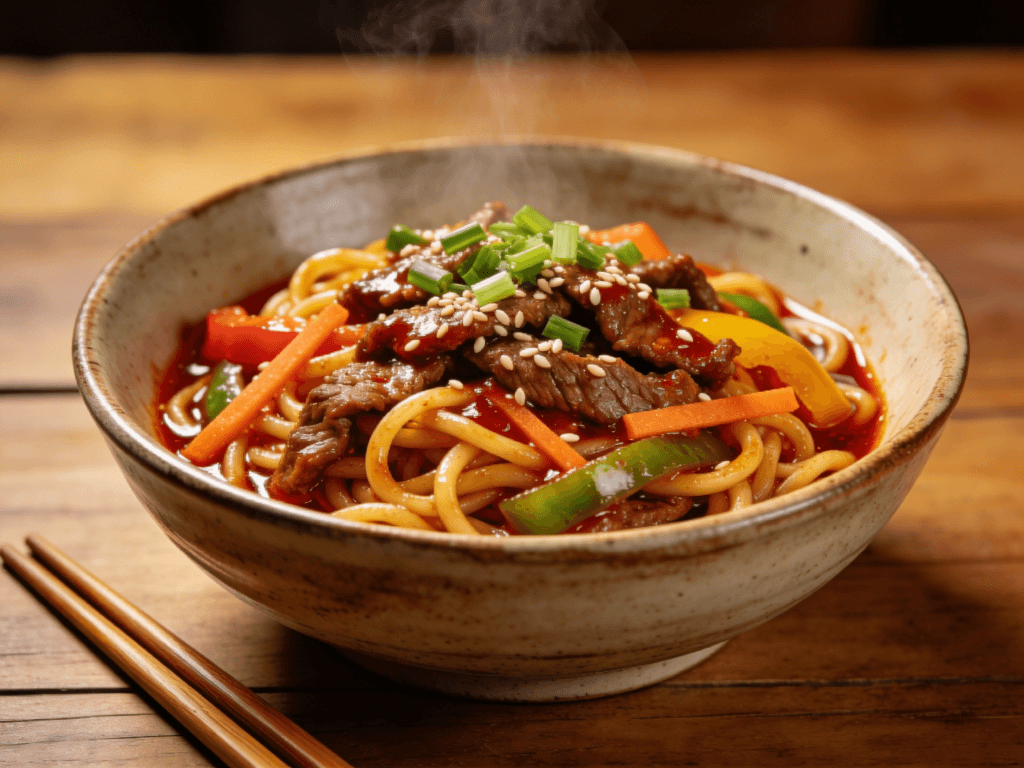
Texture Secrets That Make the Noodles Taste Incredible
Texture is one of the biggest reasons this Korean beef noodle stir fry feels comforting and satisfying.
The Best Noodle Texture Is Slightly Chewy
Soft noodles can become mushy once mixed into the sauce, so cooking them just until tender creates much better texture.
Tossing Noodles Directly Into the Sauce Matters
Adding the noodles directly into the skillet allows them to absorb the garlic soy glaze evenly instead of sitting underneath watery sauce.
A Glossy Sauce Creates Better Flavor Distribution
The best stir fry sauces lightly coat the noodles instead of pooling heavily at the bottom of the pan. That glossy coating helps every bite taste balanced.
Sam’s Pro Tips for a Flavor-Packed Korean Beef Noodle Stir Fry
Slice the Beef Thinly for Tender, Restaurant-Style Texture
Thinly sliced beef is one of the biggest secrets to making Korean beef noodle stir fry taste authentic and satisfying. Thinner slices cook quickly over high heat while staying juicy and tender instead of chewy. I usually slice the beef against the grain because it creates a softer texture that works beautifully in quick noodle stir fry recipes.
Don’t Overcrowd the Pan While Cooking
One of the most common stir fry mistakes is adding too much beef to the skillet at once. When the pan becomes overcrowded, the beef releases moisture and steams instead of caramelizing properly. Cooking in batches gives the meat enough space to brown around the edges, creating deeper savory flavor that makes homemade noodle dishes taste more like restaurant-quality takeout.
Toss the Noodles Directly Into the Sauce
Adding cooked noodles directly into the garlic soy sauce mixture helps them absorb flavor evenly instead of just sitting underneath the sauce. This step creates a more cohesive Korean-style noodle stir fry where every bite tastes balanced, savory, and deeply satisfying.
Use Fresh Garlic and Ginger for the Best Flavor
Fresh garlic and ginger make an enormous difference in quick beef noodle recipes because they create brighter, more aromatic flavor compared to powdered substitutes. Once they hit the hot skillet, they instantly build that signature savory Korean-inspired aroma that makes the entire kitchen smell incredible.
Finish with Sesame Oil at the End
Sesame oil has a delicate nutty aroma that can fade if cooked too long over high heat. I always add a small drizzle at the end of cooking to boost freshness and richness. That finishing touch gives the noodles a more authentic stir fry flavor and makes the dish feel even more comforting.
Prep All Ingredients Before Cooking
Stir fry recipes move quickly once the heat is on, so having everything sliced, measured, and ready beforehand makes the process much smoother. This simple preparation technique prevents overcooking and helps the noodles, beef, and vegetables cook more evenly.
Use High Heat for Better Caramelization
High heat helps the beef develop flavorful browned edges while keeping the vegetables crisp and vibrant. That slight caramelization creates deeper umami flavor and gives this easy Korean noodle recipe its signature takeout-style taste.
Don’t Overcook the Noodles
Slightly chewy noodles work best because they continue absorbing sauce once tossed into the skillet. Overcooked noodles can become soft and lose the satisfying texture that makes beef noodle stir fry so comforting.
Balance the Sauce Before Serving
Soy sauce brands vary in saltiness, so tasting the sauce before serving is always important. Sometimes a tiny splash of soy sauce, a touch more sweetness, or a little extra sesame oil completely transforms the balance of the final dish.
Add Fresh Garnishes for Better Texture and Contrast
Green onions, sesame seeds, and chili flakes add freshness, crunch, and color that elevate the noodles beautifully. According to ScienceDirect, fresh herbs and vegetables can also contribute valuable nutrients and antioxidants, making meals feel both more vibrant and balanced.
The Secret Behind the Signature Korean-Inspired Sauce
The sauce is what truly transforms this noodle stir fry from simple beef and noodles into something deeply flavorful and crave-worthy.
Why the Sauce Works So Well
- Soy sauce creates deep savory umami flavor
- Garlic and ginger build warmth and aroma
- Sesame oil adds nutty richness
- Brown sugar or honey balances saltiness naturally
- High heat cooking caramelizes everything beautifully
Instead of tasting overly salty or heavy, the sauce creates balance. That combination of savory depth and subtle sweetness is one reason Korean-inspired noodle dishes feel so comforting and satisfying.
The Sauce Gets Better as It Coats the Noodles
One thing many people don’t realize is that the noodles continue absorbing flavor even after cooking. That’s why leftovers often taste even richer the next day.
Why Thinly Sliced Beef Changes Everything
The texture of the beef has a huge impact on the final dish.
Thin Slices Cook Faster and Stay More Tender
- Quick cooking prevents toughness
- High heat creates flavorful caramelization
- Thin beef absorbs sauce more evenly
- Every bite feels balanced with the noodles
I always slice the beef against the grain because it creates a softer texture that almost melts into the noodles instead of feeling chewy or dense.
Slight Caramelization Adds Restaurant-Style Flavor
Those browned edges that develop in the skillet create deep savory richness that makes homemade stir fry taste much more like takeout.
Common Mistakes to Avoid And How to Solve Them for Korean Beef Noodle Stir Fry
Overcooked Beef → Use High Heat and Cook Quickly
One of the easiest ways to ruin a beef noodle stir fry is cooking the beef too long. Thin slices of beef only need a few minutes over high heat to become browned and flavorful. Cooking them quickly helps keep the texture tender and juicy instead of dry or chewy. I also recommend removing the beef briefly from the skillet while the vegetables cook so it doesn’t continue overcooking.
Soggy Noodles → Cook Just Until Tender
Noodles continue absorbing heat and sauce once added to the stir fry, so it’s important not to overcook them during boiling. Slightly chewy noodles hold their texture much better and absorb the savory garlic soy sauce more evenly. Overcooked noodles can become soft and heavy, which takes away from the satisfying texture that makes Korean-style noodle dishes so comforting.
Bland Flavor → Taste and Adjust the Sauce Before Serving
One thing many people overlook is that soy sauce brands vary a lot in saltiness and intensity. A sauce that tastes balanced with one brand may need adjustment with another. I always taste the noodles before serving and sometimes add an extra splash of soy sauce, sesame oil, or a touch of sweetness to create better balance. That small final adjustment can completely transform the overall flavor of the dish.
Watery Stir Fry → Avoid Excess Moisture in the Pan
Too much moisture is one of the biggest reasons stir fry sauces become watery instead of glossy and flavorful. Patting the beef dry before cooking helps it sear properly, while avoiding overcrowding allows ingredients to caramelize instead of steam. If too much liquid builds up in the skillet, the noodles won’t absorb flavor as effectively.
Overcrowding the Skillet → Cook in Batches if Needed
When too many ingredients are added at once, the pan temperature drops quickly and prevents proper browning. Cooking the beef in batches may take an extra minute or two, but it creates much better flavor and texture in the final noodle stir fry.
Burning Garlic and Ginger → Lower the Heat Slightly
Garlic and ginger cook quickly, especially in hot skillets. If they burn, the entire sauce can develop bitterness. I usually stir them constantly for just a short time before adding the sauce ingredients to prevent scorching while still building rich aroma.
Too Salty → Balance with Sweetness or Extra Noodles
If the stir fry tastes too salty, adding a small amount of brown sugar, honey, or extra noodles can help balance the flavor naturally. A splash of water can also mellow overly concentrated sauce.
Dry Stir Fry → Add a Splash of Sauce or Water
If the noodles absorb too much sauce while cooking, adding a small splash of water, soy sauce, or broth helps loosen everything back up without making the dish greasy.
Unevenly Cooked Vegetables → Cut Ingredients Similar in Size
Vegetables cook more evenly when sliced consistently. Thin, even cuts also help them stir fry quickly while staying crisp-tender instead of mushy.
Ignoring Proper Cooking Temperatures → Prioritize Safety and Texture
Cooking beef at proper temperatures is important not only for texture but also for food safety. Using appropriate cooking temperatures helps ensure both safety and quality when preparing beef dishes at home.
Make It Healthier Options for Korean Beef Noodle Stir Fry
Use Lean Sirloin or Lean Ground Beef
One of the easiest ways to lighten up this Korean beef noodle stir fry without sacrificing flavor is by choosing leaner cuts of beef. Sirloin works especially well because it stays tender while containing less fat than some other cuts. Lean ground beef is also a great budget-friendly option that cooks quickly and still absorbs the sweet-savory garlic sesame sauce beautifully.
Add More Vegetables for Extra Nutrients and Texture
Vegetables not only make this noodle stir fry more colorful, but they also help balance the richness of the sauce and noodles. Broccoli, mushrooms, bok choy, carrots, bell peppers, zucchini, and snap peas all work wonderfully in Korean-inspired noodle recipes. I often add extra vegetables when I want the meal to feel lighter while still staying hearty and satisfying.
Use Whole Wheat or High-Protein Noodles
Whole wheat noodles add extra fiber and a slightly nuttier flavor that pairs surprisingly well with savory beef stir fry sauces. You can also use high-protein noodles for a more balanced meal that keeps you fuller longer while still delivering that comforting noodle texture everyone loves.
Reduce the Added Sugar Slightly
A small amount of brown sugar or honey helps create the signature sweet-savory balance in Korean-style sauces, but you can reduce it slightly if you prefer a less sweet flavor profile. The garlic, sesame, soy sauce, and caramelized beef still create plenty of richness and depth without needing too much sweetness.
Add Spinach or Bok Choy for Freshness
Spinach and bok choy are some of my favorite additions because they cook quickly and blend naturally into the noodles without overpowering the flavor. They add freshness, color, and nutrients while helping the dish feel more balanced and complete.
Control Sodium by Adjusting Soy Sauce
Using low-sodium soy sauce is a simple way to reduce salt levels while still maintaining the deep umami flavor that makes Korean beef noodle stir fry so comforting. You can always add more seasoning later if needed.
Increase Protein Without Adding More Noodles
If you want a higher-protein version, adding extra beef or even mixing in scrambled egg can make the dish more filling without increasing the noodle portion too much.
Choose Healthier Cooking Oils
Using oils like avocado oil or olive oil instead of heavier oils can slightly improve the nutritional balance while still allowing the beef and vegetables to cook properly at high heat.
Build a More Balanced Plate
One thing I personally love doing is pairing these savory noodles with lighter vegetable sides or salads to create a more balanced dinner overall. According to Mayo Clinic, meals that combine lean protein, vegetables, and balanced carbohydrates can help support overall healthy eating patterns while still feeling comforting and satisfying.
Easy Variations You Can Try for Korean Beef Noodle Stir Fry
Add Mushrooms or Snap Peas for Extra Texture
Mushrooms and snap peas work beautifully in this Korean beef noodle stir fry because they add freshness and contrast to the savory noodles. Mushrooms absorb the garlic soy sauce especially well and bring extra umami depth, while snap peas add crisp texture and a slight natural sweetness that balances the rich stir fry flavors.
Make It Spicy with Gochujang or Chili Flakes
If you enjoy bold heat, adding gochujang instantly transforms this quick noodle stir fry into a spicier Korean-inspired comfort meal. Gochujang adds smoky sweetness along with gentle heat, creating even deeper flavor in the sauce. Chili flakes or sriracha also work well if you want more spice without changing the sauce texture too much.
Use Chicken Instead of Beef for a Lighter Variation
Thinly sliced chicken breast or boneless thighs are excellent substitutes if you want a lighter protein option. Chicken absorbs the garlic sesame sauce beautifully while still keeping the dish rich, savory, and deeply satisfying. This variation is especially great for meal prep because it reheats very well.
Add Scrambled Egg for Extra Protein and Texture
Scrambled egg adds softness and richness that blend naturally into the noodles. I sometimes add egg when I want the stir fry to feel even more comforting and filling, especially for quick lunch leftovers or cozy weeknight dinners.
Swap the Noodles for Rice
If you don’t have noodles on hand, this savory Korean-style beef mixture tastes incredible served over warm rice. Jasmine rice, brown rice, or even cauliflower rice all work well depending on the texture and balance you prefer.
Turn It Into a Spicy Korean Ramen Stir Fry
Using ramen noodles instead of traditional stir fry noodles creates a budget-friendly version with amazing texture. The noodles soak up the sauce beautifully and make the dish feel extra comforting and satisfying.
Add More Vegetables for a Bigger One-Pan Meal
Broccoli, bok choy, shredded carrots, zucchini, cabbage, or bell peppers all blend naturally into this quick beef stir fry recipe. Adding extra vegetables stretches the meal further while bringing more color, crunch, and freshness.
Make It Sweet and Savory with Honey Garlic Flavor
Adding a little extra honey along with garlic creates a sweeter Korean-inspired noodle dish with deeper caramelization and glossy sauce. This version is especially popular with kids and people who enjoy milder stir fry flavors.
Use Ground Beef for a Faster Budget-Friendly Version
Ground beef cooks incredibly quickly and still creates rich savory flavor in the sauce. It’s a great variation when you want a fast weeknight noodle dinner without slicing steak.
Try Different Noodle Varieties
Ramen, udon, lo mein, soba, and rice noodles all create slightly different textures and eating experiences. Personally, I love using chewy udon noodles when I want the dish to feel extra cozy and comforting.
Add Fresh Garnishes for More Flavor Contrast
Fresh cilantro, green onions, sesame seeds, crushed peanuts, or even a squeeze of lime can completely change the flavor profile and add freshness right before serving.
Create a More Balanced Bowl with Extra Greens
Adding spinach or bok choy directly into the skillet helps increase nutrients and freshness without making the dish feel less comforting. Incorporating vegetables into balanced meals can help increase fiber and nutrient intake while still keeping meals flavorful and satisfying.
Storage and Reheat Tips for Korean Beef Noodle Stir Fry
Store Leftovers Properly for the Best Flavor
Allow the Korean beef noodle stir fry to cool slightly before transferring it to an airtight container. Stored properly in the refrigerator, leftovers will stay fresh for up to 3 days. I actually love this recipe the next day because the noodles absorb even more of the savory garlic soy sauce overnight, creating deeper flavor and a richer overall texture.
Reheat in a Skillet for the Best Texture
While the microwave works in a pinch, reheating the noodles in a skillet over medium heat gives the best results. The skillet helps restore the stir fry texture while warming the beef and noodles more evenly without making them soggy. Stir occasionally to prevent sticking and help the sauce redistribute properly.
Add a Splash of Water, Broth, or Soy Sauce When Reheating
Noodles naturally absorb sauce as they sit, so leftovers may seem slightly dry after refrigeration. Adding a small splash of water, broth, or soy sauce helps loosen the noodles and bring the glossy stir fry sauce back to life. This simple trick keeps the noodles flavorful and prevents the dish from feeling heavy or sticky.
Avoid Overheating the Noodles
One of the easiest ways to ruin leftover noodle stir fry is overheating it for too long. Excess heat can make the noodles mushy and dry out the beef. I recommend reheating just until everything is warmed through to preserve the chewy noodle texture and tender beef.
Store Garnishes Separately if Possible
If you’re meal prepping, keeping green onions, sesame seeds, or fresh herbs separate until serving helps maintain freshness and texture. Adding them at the end makes the leftovers taste brighter and more freshly made.
Portion Into Individual Containers for Easier Meal Prep
This quick Korean noodle stir fry works extremely well for meal prep lunches. Dividing leftovers into individual containers makes reheating faster and helps preserve the texture better since the noodles won’t be reheated repeatedly.
Freezing Tips for Longer Storage
You can freeze the stir fry for up to 2 months, though the noodle texture may soften slightly after thawing. For best results, thaw overnight in the refrigerator and reheat gently in a skillet with added liquid.
Refresh the Flavor Before Serving Again
One of my favorite tricks for leftovers is adding a tiny drizzle of sesame oil or a sprinkle of fresh green onions right before serving. Those little finishing touches instantly revive the aroma and make the stir fry taste freshly cooked again.
Make It a Meal with Korean Beef Noodle Stir Fry
One of the reasons I love serving this Korean beef noodle stir fry for dinner is how easy it is to turn into a complete homemade takeout-style meal. The savory garlic sesame noodles pair beautifully with fresh salads, crunchy vegetables, and lighter side dishes that help balance the rich umami flavor. Adding a few complementary sides also makes the dinner table feel more exciting and restaurant-inspired without adding much extra work.
Perfect Side Dishes to Serve with Korean Beef Noodle Stir Fry
- Viral Carrot Salad – The crunchy texture and bright flavor create a refreshing contrast to the rich savory noodles and caramelized beef.
- High-Protein Tzatziki Cucumber Salad (Creamy Greek Yogurt, Crisp Cucumbers & Easy 10-Min Meal Prep) – Cool cucumber salad pairs surprisingly well with warm Korean-inspired noodle dishes and helps balance the savory garlic soy sauce beautifully.
- Lemon Pepper Chickpea Salad (Easy High-Protein Meal Prep Recipe Ready in 10 Minutes) – Bright citrus flavor and protein-packed chickpeas create a lighter contrast alongside the rich stir fry noodles.
- Garlic Butter Corn on the Cob – Sweet buttery corn works wonderfully with savory beef noodles and adds comforting texture to the meal.
- Mediterranean Chickpea Salad | Bright, Fresh, and Protein-Packed! – Fresh herbs, vegetables, and chickpeas help create a more balanced and colorful dinner spread.
These sides work especially well because they bring freshness, crunch, and brightness that complement the sweet-savory Korean-style noodle sauce without overpowering it.
Frequently Asked Questions
What noodles are best for Korean beef noodle stir fry?
Udon noodles, ramen noodles, lo mein noodles, and rice noodles all work beautifully in this recipe. Udon creates a chewier, more comforting texture, while ramen gives the dish a quicker, takeout-style feel. Personally, I love using lo mein or udon because they hold onto the garlic soy sauce especially well.
Can I make Korean beef noodle stir fry in one pan?
Yes, absolutely. One of the best things about this easy Korean noodle stir fry is that everything cooks in a single skillet or wok. That not only keeps cleanup simple, but also helps the beef, vegetables, noodles, and sauce develop deeper flavor together.
Is Korean beef noodle stir fry spicy?
Traditional versions are usually more savory and sweet than extremely spicy, but the heat level is very easy to customize. Adding gochujang, chili garlic sauce, or red pepper flakes creates a spicier variation while still keeping the dish balanced and flavorful.
Can I use ground beef instead of sliced beef?
Yes, ground beef is a fantastic budget-friendly option and cooks even faster than steak. It still absorbs the savory Korean-style sauce beautifully and works especially well for quick weeknight dinners and meal prep lunches.
What vegetables go well in Korean noodle stir fry?
Broccoli, mushrooms, bok choy, carrots, cabbage, bell peppers, zucchini, and snap peas all pair wonderfully with the savory garlic sesame sauce. Adding extra vegetables also helps make the meal feel more balanced and colorful.
How do you keep stir fry noodles from getting soggy?
The key is cooking the noodles just until tender before adding them to the skillet. Overcooked noodles continue softening in the sauce and can become mushy quickly. Tossing them directly into the stir fry sauce also helps them absorb flavor more evenly without becoming watery.
Can I meal prep Korean beef noodle stir fry?
Yes, this recipe works very well for meal prep because the noodles continue absorbing flavor overnight. Store leftovers in airtight containers and reheat gently in a skillet with a splash of water or soy sauce for the best texture.
What sauce is used in Korean beef noodles?
Most Korean-inspired beef noodle stir fry sauces combine soy sauce, garlic, ginger, sesame oil, and a small amount of sweetness like brown sugar or honey. Some variations also include gochujang for spice and deeper flavor.
Is Korean beef noodle stir fry healthy?
It can absolutely be part of a balanced meal, especially when made with lean beef and extra vegetables. According to Mayo Clinic, meals that combine lean protein, vegetables, and balanced carbohydrates can help support overall healthy eating habits while still feeling satisfying and comforting.
Can I make this recipe gluten-free?
Yes. Simply use gluten-free noodles along with tamari or gluten-free soy sauce instead of traditional soy sauce. Always double-check bottled sauces if you have dietary restrictions.
What cut of beef works best for noodle stir fry?
Flank steak, sirloin, ribeye, or skirt steak all work well because they cook quickly and stay tender when sliced thinly against the grain.
Why does restaurant stir fry taste better sometimes?
Restaurants often cook stir fry over very high heat, which creates better caramelization and deeper flavor. Proper heat control at home can help recreate that same savory takeout-style taste.
Can I freeze Korean beef noodle stir fry?
Yes, though the noodle texture may soften slightly after thawing. For best results, thaw overnight in the refrigerator and reheat gently in a skillet.
What’s the difference between Korean noodles and Chinese stir fry noodles?
Korean-inspired noodle dishes often emphasize sesame oil, garlic, sweetness, and sometimes gochujang, while Chinese noodle stir fries may rely more heavily on oyster sauce, hoisin, or different seasoning combinations.
How do I make the sauce thicker?
Letting the noodles simmer briefly in the sauce helps it thicken naturally. You can also add a small cornstarch slurry if needed, though the starch from the noodles often thickens the sauce enough on its own.
Can I make Korean beef noodles less salty?
Using low-sodium soy sauce and balancing the sauce with a touch of sweetness or extra vegetables can help mellow the saltiness naturally.
Are ramen noodles good for beef stir fry?
Yes, ramen noodles are excellent for quick stir fry recipes because they cook fast and absorb sauce beautifully. Just avoid overcooking them before adding them to the skillet.
What proteins can I use besides beef?
Chicken, shrimp, tofu, pork, or even scrambled eggs all work well in this style of noodle stir fry. The sauce is incredibly versatile and pairs well with many proteins.
How do you keep beef tender in stir fry recipes?
Thin slicing, high heat, and quick cooking are the biggest secrets. Overcooking beef is one of the most common reasons stir fry turns chewy instead of tender.
Can kids enjoy Korean beef noodle stir fry?
Definitely. The sweet-savory flavor profile is usually very family-friendly, especially if you reduce or skip spicy ingredients.
Is sesame oil necessary in this recipe?
Sesame oil adds signature nutty aroma and authentic Korean-inspired flavor, so I highly recommend it. Even a small amount dramatically improves the depth of the sauce.
Why is homemade stir fry often healthier than takeout?
Cooking at home allows you to control sodium, sugar, oil, vegetables, and protein portions more carefully. According to ScienceDirect, homemade meals can often support more balanced eating habits while still providing satisfying comfort food flavors.
Can I turn this into a spicy Korean noodle bowl?
Absolutely. Adding gochujang, chili crisp, kimchi, or spicy chili flakes transforms the noodles into a much bolder and spicier variation with deeper Korean-inspired flavor.
What garnishes work best with Korean beef noodles?
Green onions, sesame seeds, chili flakes, cilantro, crushed peanuts, and even a soft-boiled egg all make fantastic finishing touches for extra flavor and texture.
Final Thoughts: Korean Beef Noodle Stir Fry
This Korean Beef Noodle Stir Fry is one of those recipes that proves quick dinners can still feel exciting, comforting, and deeply flavorful. The savory garlic-soy sauce, tender beef, chewy noodles, and sesame aroma create a combination that feels cozy enough for weeknights while still tasting restaurant-worthy.
What I love most is how approachable it is. You don’t need advanced cooking skills or hard-to-find ingredients to create bold Korean-inspired flavor at home. Once you learn how quickly the sauce comes together and how satisfying homemade noodle stir fry can be, it’s hard not to keep this recipe in regular rotation.
It’s fast, customizable, family-friendly, and genuinely comforting—the kind of recipe that makes busy evenings feel a little easier and a lot more delicious.
“Savory, saucy, and loaded with bold garlic-sesame flavor—this Korean beef noodle stir fry tastes like your favorite takeout spot made it fresh at home.” – Sam
📌 Pin & Share the Love
✨ Love this Korean Beef Noodle Stir Fry? Pin it to your Easy Dinner Recipes or Better-Than-Takeout Meals board and tag us @readyprepmeals!
📌 Pin This Recipe: Korean Beef Noodle Stir Fry
Tender beef, chewy noodles, garlic soy sauce, and savory sesame flavor come together in this quick and easy 30-minute noodle stir fry that’s perfect for busy weeknights and comfort food cravings.
Discover more from Ready Prep Meals
Subscribe to get the latest posts sent to your email.