 Samantha
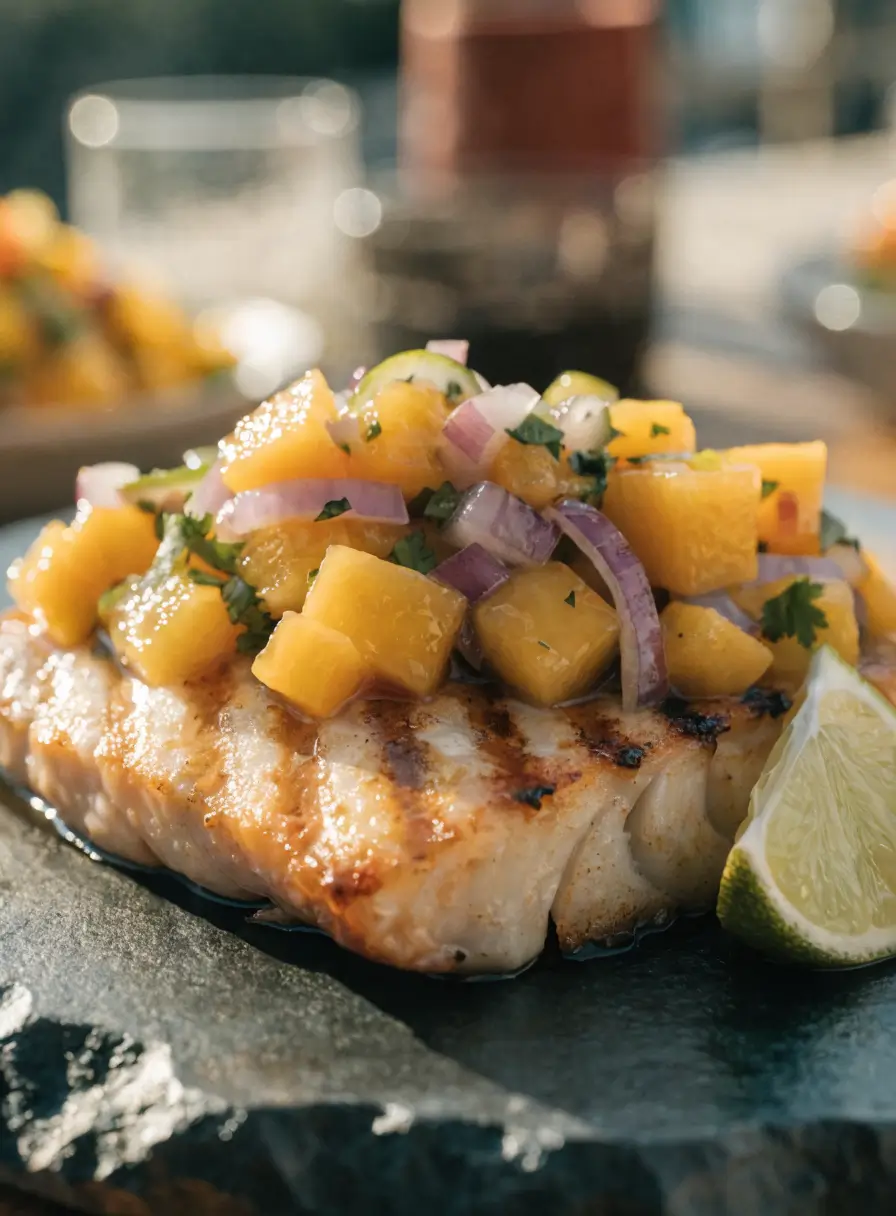
 Grilled Mahi Mahi with Mango Salsa brings together flaky, perfectly grilled fish and a vibrant tropical salsa bursting with sweet mango, fresh lime, and bright summer flavors. Whether you’re planning a healthy seafood dinner, backyard cookout, or easy weeknight meal, this restaurant-worthy recipe delivers fresh coastal flavor in every bite.
The first time I made Grilled Mahi Mahi with Mango Salsa, I was looking for something that felt like summer on a plate. I wanted a seafood dinner that was light yet satisfying, packed with fresh flavors but easy enough for a weeknight. What came off the grill exceeded every expectation. The mahi mahi was tender and flaky with just the right amount of smoky char, while the fresh mango salsa added a burst of sweetness, brightness, and color that instantly transformed the meal into something special.
Over the years, I’ve learned that some of the best seafood recipes are the simplest ones. Fresh fish, quality ingredients, and a hot grill often create results that rival expensive restaurant meals. This easy grilled mahi mahi recipe is a perfect example. The fish develops a beautiful exterior while staying moist and flaky inside, and the homemade mango salsa adds tropical flavor without requiring complicated preparation.
What I love most about this recipe is its versatility. It works just as well for a casual family dinner as it does for summer entertaining. Whether you’re planning a backyard barbecue, a healthy seafood dinner, or a quick weeknight meal, this tropical fish recipe fits the occasion beautifully.
As someone who has spent years experimenting with seafood and grilling recipes, I can honestly say this has become one of my favorite ways to prepare mahi mahi. It’s simple enough for beginners yet impressive enough to serve to guests. Best of all, it’s ready in about 30 minutes from start to finish.
If you’re searching for a healthy grilled fish dinner that’s fresh, colorful, and packed with flavor, this recipe deserves a place in your collection.
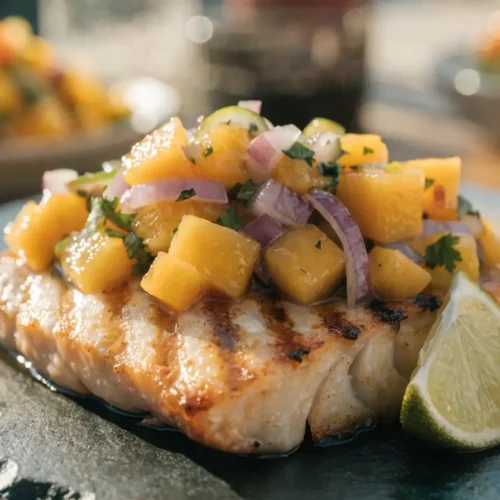
Grilled Mahi Mahi with Mango Salsa (Juicy Tropical Fish Dinner Ready in Just 30 Minutes)

Ingredients
For the Grilled Mahi Mahi
- 4 mahi mahi fillets about 6 ounces each
- 2 tablespoons olive oil
- 1 teaspoon kosher salt
- ½ teaspoon freshly ground black pepper
- 1 teaspoon garlic powder
- 1 teaspoon smoked paprika
- 1 tablespoon fresh lime juice
For the Mango Salsa
- 2 ripe mangoes diced
- ¼ cup finely diced red onion
- 1 small jalapeño seeded and finely diced
- ¼ cup chopped fresh cilantro
- Juice of 1 lime
- ¼ teaspoon kosher salt
- ¼ teaspoon black pepper
Optional Garnishes
- Lime wedges
- Additional cilantro
- Thinly sliced avocado
- Extra diced mango
Instructions
- Prepare the Mango Salsa: Start by making the mango salsa so the flavors have time to mingle while you prepare the fish. In a medium mixing bowl, combine the diced mango, finely chopped red onion, jalapeño, fresh cilantro, lime juice, salt, and black pepper. Stir gently until all the ingredients are evenly incorporated, being careful not to mash the mango. Cover the bowl and refrigerate it while you move on to the next steps. Allowing the salsa to rest for at least 10 to 15 minutes helps the sweet mango, bright citrus, and fresh herbs develop a more balanced and vibrant flavor.
- Prepare the Mahi Mahi: Pat the mahi mahi fillets thoroughly dry with paper towels. This simple step helps the fish develop better color on the grill and reduces the chances of sticking. Place the fillets on a tray or large plate, then drizzle them lightly with olive oil. Season both sides evenly with kosher salt, freshly ground black pepper, garlic powder, and smoked paprika. Finish with a squeeze of fresh lime juice over each fillet. Let the fish sit at room temperature for about 10 minutes while the grill preheats, allowing the seasonings to adhere and the fish to cook more evenly.
- Preheat the Grill: Heat your grill to medium-high heat, approximately 400°F to 450°F. While the grill heats, clean the grates thoroughly and lightly oil them to help prevent sticking. Properly preheated grates are one of the most important factors in successfully grilling fish because they help create attractive grill marks while allowing the fillets to release more easily. Whether you're using a gas grill, charcoal grill, or pellet grill, maintaining steady heat will help ensure tender, flaky results.
- Grill the Fish: Place the seasoned fillets directly onto the hot grill grates. Cook for about 4 to 5 minutes on the first side without moving them. This allows the fish to develop a light crust and natural grill marks. Once the fillets release easily from the grates, carefully flip them using a fish spatula or wide metal turner. Continue grilling for another 3 to 5 minutes, depending on the thickness of the fillets. The fish is done when it flakes easily with a fork and reaches an internal temperature of 145°F at the thickest part.
- Rest the Fish: Transfer the grilled fillets to a serving platter and allow them to rest for 2 to 3 minutes. Although it may be tempting to serve them immediately, this short resting period helps the juices redistribute throughout the fish, resulting in a more tender and flavorful final dish.
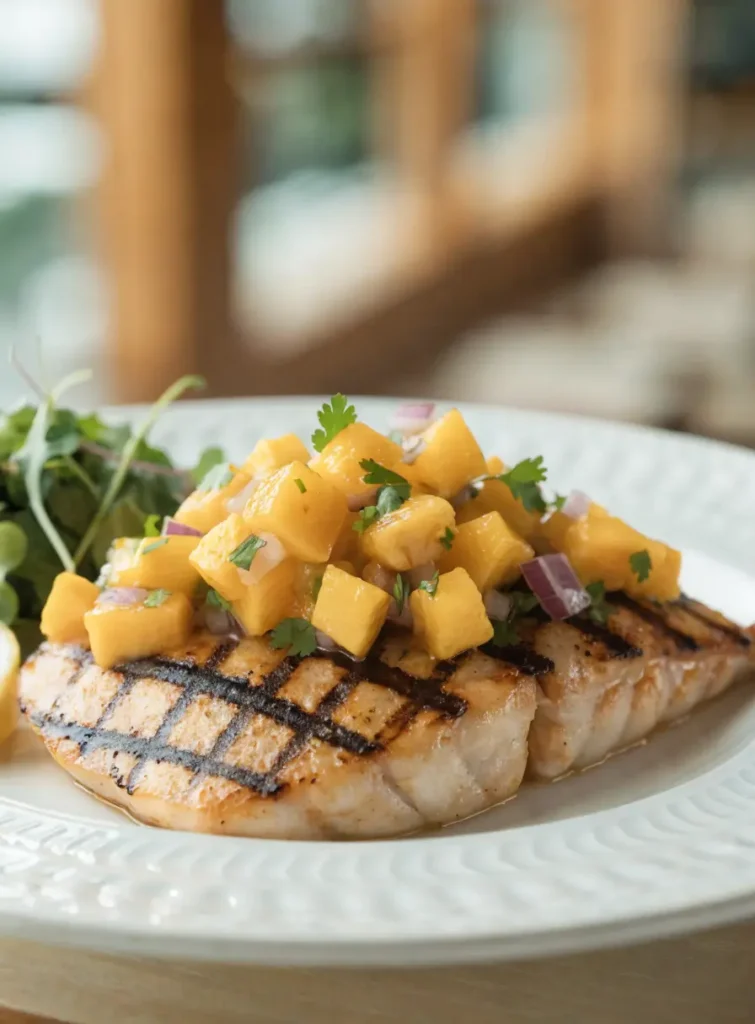
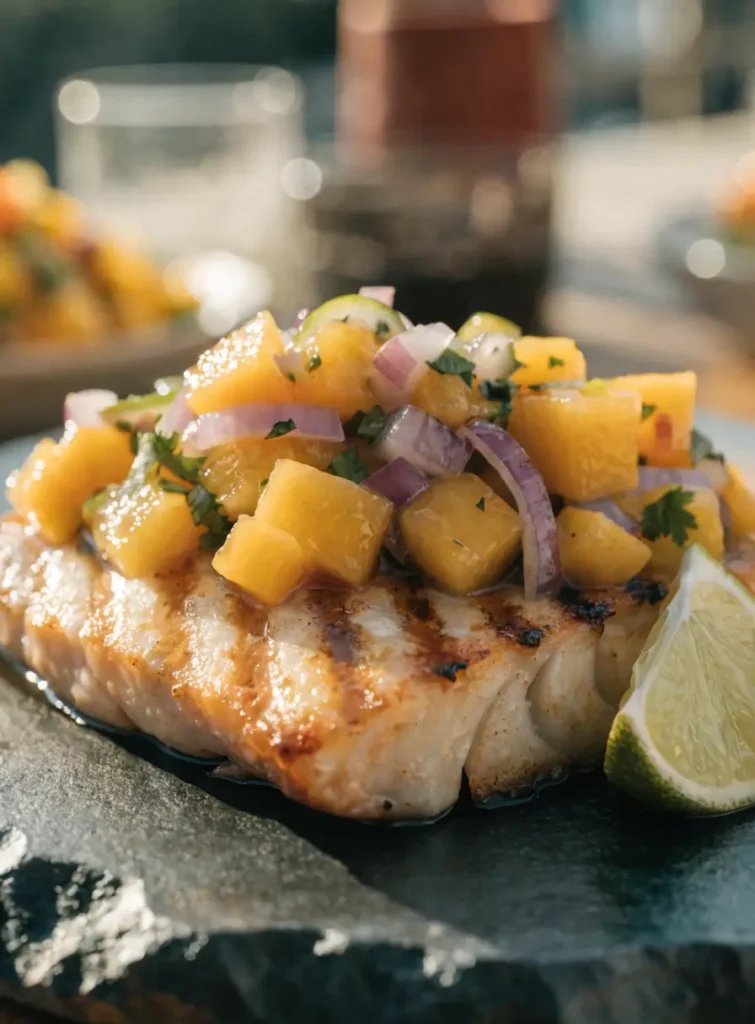
- Top with the Mango Salsa: Once the fish has rested, generously spoon the chilled mango salsa over each fillet. The contrast between the warm, smoky fish and the cool, refreshing salsa is what makes this dish so memorable. Every bite delivers a balance of sweet fruit, bright citrus, fresh herbs, and perfectly grilled seafood.
- Garnish and Serve: Finish the dish with extra chopped cilantro and fresh lime wedges for an additional burst of flavor and color. Serve immediately while the fish is still warm and flaky and the salsa is at its freshest. Whether you're serving it for a healthy weeknight dinner, a backyard barbecue, or a tropical-inspired gathering, this dish is guaranteed to bring bright, fresh flavors to the table.
Notes
Chef’s Quick Notes
1. Choose Thick Fillets Whenever Possible
Thicker mahi mahi fillets are more forgiving on the grill and tend to stay juicier than thinner cuts. If you’re aiming for restaurant-style grilled fish, look for fillets that are at least 1 inch thick.2. Ripe Mango Makes a Big Difference
A perfectly ripe mango creates a sweeter, more flavorful salsa with better texture. If the mango smells fragrant and gives slightly when pressed, it’s ready to use.3. Pat the Fish Dry Before Seasoning
Removing excess moisture helps create better grill marks and prevents sticking. It’s one of the easiest ways to improve the texture of any grilled seafood recipe.4. Fresh Lime Beats Bottled Every Time
Freshly squeezed lime juice provides brighter flavor and better aroma in both the fish seasoning and the tropical salsa. It’s a small detail that makes a noticeable difference.5. Don’t Flip Too Soon
Let the fish develop a proper sear before attempting to turn it. When the fillet naturally releases from the grates, you’ll know it’s ready to flip.6. Make the Salsa First
Preparing the mango salsa before grilling gives the ingredients time to blend together. The result is a fresher, more balanced topping that complements the smoky fish beautifully.7. Use a Thermometer for Perfect Results
For juicy grilled mahi mahi every time, check for an internal temperature of 145°F. This helps prevent overcooking while ensuring the fish remains flaky and tender.8. Serve Immediately for the Best Flavor
This healthy seafood dinner is at its peak when served fresh off the grill. The contrast between the warm fish and cool tropical salsa creates the bright coastal flavors that make this recipe so memorable.Recipe Overview
- Course: Main Course
- Cuisine: American, Coastal, Tropical-Inspired
- Skill Level: Beginner-Friendly
- Difficulty Level: Easy
- Prep Time: 15 Minutes
- Cook Time: 12–15 Minutes
- Total Time: 30 Minutes
- Servings: 4
- Main Ingredients: Mahi Mahi Fillets, Mango, Lime, Red Onion, Cilantro
- Best For: Summer Dinners, Seafood Lovers, Backyard BBQs, Family Meals, Healthy Weeknight Dinners
Nutritional Snapshot
Estimated per serving
- Calories: 320
- Protein: 33g
- Carbohydrates: 12g
- Fat: 15g
- Fiber: 2g
- Sugar: 8g
- Sodium: 320mg
- Potassium: 760mg
- Vitamin C: 35% DV
- Vitamin B12: 40% DV
Mahi mahi is naturally rich in lean protein while remaining relatively low in calories, making it an excellent option for anyone looking for a high-protein seafood dinner.
Source: USDA FoodData Central
Budget Breakdown
One of the biggest surprises about this recipe is how affordable it can be compared to ordering a similar dish at a restaurant.
- Mahi Mahi Fillets (4 fillets): $12–$16
- Fresh Mangoes (2): $2–$3
- Red Onion: $0.50
- Fresh Cilantro: $1
- Limes: $1
- Olive Oil & Seasonings: $1–$2
Estimated Total Cost
- Budget Version: $17–$20
- Premium Fresh Fish Version: $22–$26
Estimated Cost Per Serving
- Approximately: $4.25–$6.50
Considering many seafood restaurants charge $20 or more for a similar entrée, this recipe offers excellent value while still feeling restaurant-worthy.
Tools That Make It Easier
You don’t need a kitchen full of gadgets to make great grilled fish, but a few tools can make the process smoother and help you achieve consistently excellent results.
Fish Spatula
A fish spatula is one of my favorite seafood tools because its thin, flexible edge slides easily under delicate fillets without breaking them apart. If you regularly cook fish, it’s a worthwhile investment.
Instant-Read Thermometer
One of the easiest ways to avoid overcooking seafood is by using an instant-read thermometer. It helps ensure the fish remains moist and flaky rather than dry.
Grill Basket
A grill basket is especially useful if your fillets are thin or delicate. It helps prevent sticking while making flipping much easier.
Citrus Juicer
Fresh lime juice is one of the key ingredients in the mango salsa. A handheld citrus juicer helps extract maximum juice quickly and efficiently.
Sharp Chef’s Knife
A sharp knife makes preparing the mango salsa much easier. Clean cuts help create a more attractive presentation and allow the ingredients to blend evenly.
Mixing Bowl Set
Having a few mixing bowls on hand simplifies salsa preparation and keeps your workspace organized.
Grill Brush
Clean grill grates create better grill marks and reduce sticking. It’s one of those simple tools that can dramatically improve your results.
Behind the Recipe
Every summer, I find myself craving lighter meals packed with fresh ingredients. While burgers and steaks have their place on the grill, sometimes I want something that feels vibrant, colorful, and a little unexpected.
That’s exactly what inspired this recipe.
I first started pairing grilled fish with fruit salsa years ago after a vacation near the coast. The combination of smoky seafood and fresh tropical fruit instantly caught my attention. It felt refreshing without being complicated and delivered a balance of sweet, savory, tangy, and smoky flavors that worked beautifully together.
Back home, I began experimenting with different fish and salsa combinations. Some were good, but the pairing of mahi mahi and mango consistently stood out. The fish has a mild flavor and firm texture that holds up well on the grill, while ripe mango adds natural sweetness and freshness.
Over time, this recipe became one of my favorite summer seafood dinners because it checks so many boxes. It’s healthy, colorful, quick to prepare, and impressive enough for entertaining.
Whenever I serve it, people are often surprised by how simple it is to make. That’s one of the reasons I continue coming back to it year after year.
Why You’ll Love This Grilled Mahi Mahi with Mango Salsa
Quick Enough for Busy Weeknights
This easy grilled mahi mahi recipe comes together in about 30 minutes, making it ideal for busy evenings when you want something fresh and homemade without spending hours in the kitchen.
Packed with Tropical Flavor
The combination of smoky grilled fish and sweet mango salsa creates a bright, refreshing flavor profile that’s perfect for warm weather dining.
High in Protein
Mahi mahi is naturally rich in lean protein, making this a satisfying seafood dinner that won’t leave you feeling weighed down.
Beautiful Presentation
The vibrant colors of the mango salsa make this dish look impressive with very little effort. It’s one of those meals that feels restaurant-quality the moment it reaches the table.
Beginner-Friendly
If you’re new to grilling fish, this recipe is an excellent place to start. Mahi mahi is relatively forgiving compared to more delicate fish varieties.
Perfect for Summer Entertaining
Whether you’re hosting friends, planning a cookout, or enjoying dinner on the patio, this tropical seafood recipe always feels appropriate.
Pairs Well with Fresh Summer Sides
The bright flavors work beautifully alongside recipes like Street Corn Cucumber Salad – Easy Mexican-Inspired Summer Side Dish with Lime & Cotija, creating a complete meal that’s colorful, refreshing, and perfect for outdoor dining.
Naturally Gluten-Free
Most of the ingredients are naturally gluten-free, making this recipe suitable for a variety of dietary preferences without requiring special substitutions.
Light Yet Satisfying
This recipe strikes a wonderful balance between healthy and satisfying. The fish provides plenty of protein while the mango salsa keeps the meal fresh and vibrant.
Restaurant-Quality Results at Home
Perhaps my favorite thing about this recipe is that it delivers restaurant-style flavor using simple ingredients and straightforward techniques. It’s proof that great seafood doesn’t have to be complicated.
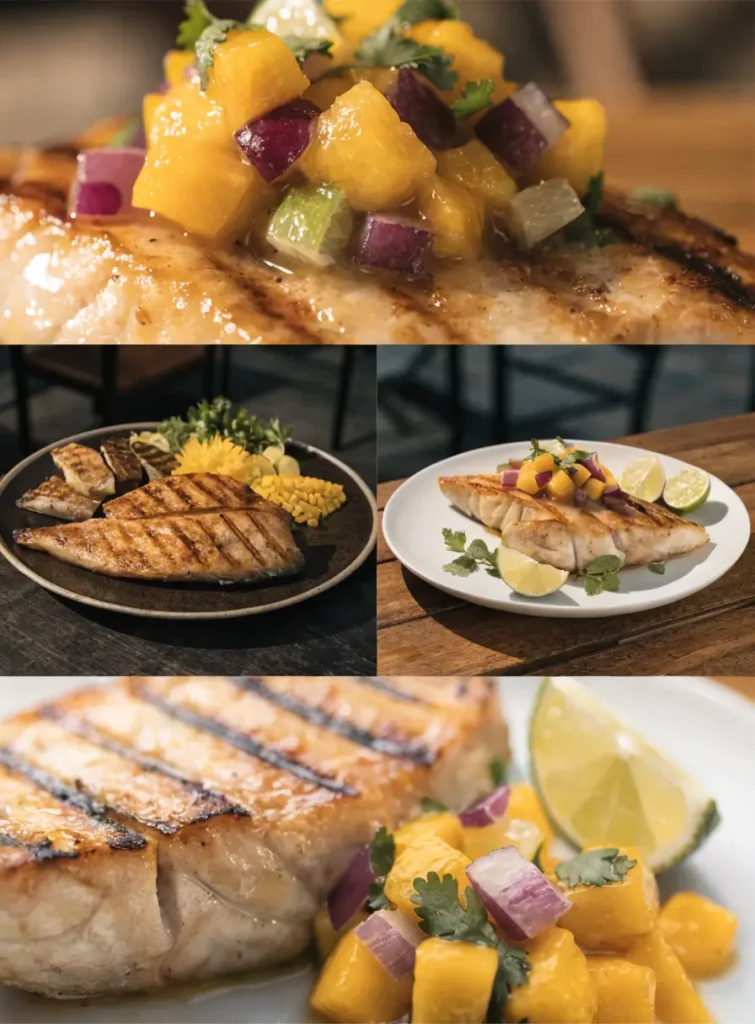
Ingredients You’ll Need for Grilled Mahi Mahi with Mango Salsa
One of the things I love most about this recipe is that it relies on simple, fresh ingredients rather than complicated marinades or specialty products. Each ingredient contributes something important, whether it’s flavor, texture, freshness, or visual appeal. When combined, they create a tropical seafood dinner that’s bright, satisfying, and perfect for warm-weather meals.
For the Grilled Mahi Mahi
- 4 mahi mahi fillets (about 6 ounces each)
- 2 tablespoons olive oil
- 1 teaspoon kosher salt
- ½ teaspoon freshly ground black pepper
- 1 teaspoon garlic powder
- 1 teaspoon smoked paprika
- 1 tablespoon fresh lime juice
For the Mango Salsa
- 2 ripe mangoes, diced
- ¼ cup finely diced red onion
- 1 small jalapeño, seeded and finely diced
- ¼ cup chopped fresh cilantro
- Juice of 1 lime
- ¼ teaspoon kosher salt
- ¼ teaspoon black pepper
Optional Garnishes
- Lime wedges
- Additional cilantro
- Thinly sliced avocado
- Extra diced mango
Note for UK Readers
Mahi mahi can sometimes be sold under the name dolphinfish in certain fish markets and seafood suppliers. If fresh mahi mahi isn’t available, other firm white fish such as sea bass, haddock, cod, or halibut can work as substitutes. While the flavor won’t be identical, these fish still pair beautifully with fresh mango salsa and tropical flavors.
Choosing the Best Mahi Mahi
Whenever possible, look for fillets that appear firm, moist, and slightly pinkish-white. Fresh mahi mahi should smell clean and ocean-like rather than strongly fishy. Avoid fillets that look dull, excessively dry, or have noticeable discoloration.
If you’re buying frozen fish, don’t worry. High-quality frozen mahi mahi often performs exceptionally well because it’s typically frozen shortly after being caught. Just thaw it properly in the refrigerator before cooking.
One thing I’ve learned over years of cooking seafood is that quality fish does most of the work for you. The better the fish, the less you need to do to make it taste incredible.
Choosing the Perfect Mangoes
The mango salsa is every bit as important as the fish itself. A ripe mango should feel slightly soft when gently squeezed but shouldn’t be mushy. The fruit should have a sweet aroma near the stem and vibrant flesh inside.
I personally prefer Ataulfo or Honey mangoes when available because they’re naturally sweet, less fibrous, and produce a smoother salsa. However, Tommy Atkins mangoes work perfectly well and are often easier to find in grocery stores.
If your mangoes are slightly underripe, allow them to sit on the counter for a few days before preparing the salsa. A perfectly ripe mango can completely transform this dish.
Sam’s Ingredient Tip
Whenever I make tropical seafood recipes, I like to prepare the salsa at least 15 minutes before serving. This gives the mango, lime juice, red onion, and cilantro time to mingle and develop deeper flavor. The difference may seem small, but those extra few minutes create a salsa that tastes brighter, fresher, and more balanced.
Ingredient Highlights
The beauty of this tropical seafood recipe comes from how a handful of fresh, wholesome ingredients work together to create layers of flavor, texture, and color. Every ingredient has a purpose, and when combined, they transform a simple grilled fish dinner into a restaurant-quality meal that feels both refreshing and satisfying. Whether you’re searching for healthy grilled fish recipes, easy summer seafood dinners, or fresh tropical-inspired meals, these ingredients are what make this dish stand out.
Mahi Mahi: The Perfect Fish for Grilling
Mahi mahi is one of my favorite fish for grilling because it strikes the perfect balance between flavor and texture. Unlike more delicate fish that can easily fall apart over direct heat, mahi mahi remains firm enough to handle grilling while still becoming wonderfully moist and flaky once cooked.
Its mild, slightly sweet flavor makes it incredibly versatile and allows fresh ingredients like mango, lime, and cilantro to shine without competing for attention. That’s one reason you’ll frequently find mahi mahi featured in coastal restaurants, island-inspired cuisine, and healthy seafood dinner menus.
Beyond its great taste, mahi mahi is naturally rich in lean protein while remaining relatively low in saturated fat, making it an excellent option for high-protein meals and lighter summer dinners. According to Authoritative Source: Healthline – Fish Nutrition and Health Benefits, fish can be an excellent source of protein and important nutrients as part of a balanced diet.
Fresh Mango
Fresh mango is what gives this dish its unmistakable tropical character. Its natural sweetness balances the smoky grilled fish while adding juicy texture and vibrant color that instantly brightens the plate.
I always recommend using ripe mangoes whenever possible because their sweetness creates a beautiful contrast to the citrus and savory seasonings. Beyond flavor, mango contributes valuable vitamins and antioxidants while helping the meal feel fresh, light, and perfect for warm-weather dining. It’s one of those ingredients that can instantly make an ordinary dinner feel like a vacation meal.
Lime Juice
Lime juice may seem like a small ingredient, but it plays a major role in the overall flavor profile. The bright acidity helps balance the sweetness of the mango, enhances the fish, and ties the entire salsa together.
Fresh lime juice also helps create the vibrant, coastal-inspired flavor that makes this recipe so appealing during grilling season. Whenever possible, I recommend using freshly squeezed limes because the flavor is noticeably brighter and more aromatic than bottled alternatives.
Red Onion
Red onion adds more than just color. Its mild sharpness provides a welcome contrast to the sweetness of the mango while contributing crunch and texture to every bite.
Because it’s used raw, the onion helps create a fresh salsa that’s lively rather than heavy. The vibrant purple color also makes the finished dish more visually appealing, especially when serving guests or creating a beautiful summer seafood spread.
Fresh Cilantro
Fresh cilantro brings a bright herbal quality that complements both the fish and the fruit beautifully. Its subtle citrus notes help bridge the gap between the mango salsa and the grilled seafood, creating a more cohesive flavor experience.
If you’re a fan of fresh herbs, you’ll appreciate how cilantro enhances the tropical flavors without overpowering them. It’s one of those finishing ingredients that makes the dish taste noticeably fresher.
Jalapeño
A small amount of jalapeño adds just enough heat to keep the salsa interesting. The goal isn’t to make the dish spicy but rather to create contrast that balances the sweetness of the fruit.
For those who enjoy a little extra kick, you can leave some of the seeds intact. If you prefer a milder salsa, simply remove the seeds and membranes before chopping. Either way, the jalapeño contributes depth and complexity without overwhelming the other ingredients.
Olive Oil
Olive oil serves several important purposes in this recipe. It helps the seasonings adhere evenly to the fish, encourages beautiful browning on the grill, and protects the fillets from drying out during cooking.
A good-quality olive oil also adds subtle richness that enhances the overall flavor without making the dish feel heavy. It’s a simple ingredient, but one that quietly contributes to the success of the recipe.
Smoked Paprika
Smoked paprika is one of my favorite seasonings for grilled seafood because it adds depth and a subtle smoky character before the fish even reaches the grill.
That gentle smokiness complements the char from the grill while reinforcing the outdoor-cooking flavors that make this recipe so appealing. It’s an easy way to elevate the seasoning blend without masking the delicate taste of the fish.
Garlic Powder
Garlic powder provides a savory backbone that supports the other flavors without dominating them. Combined with lime juice, olive oil, and smoked paprika, it creates a balanced seasoning blend that enhances the fish while allowing its natural flavor to remain the star.
If you’re planning a complete summer seafood feast, this grilled fish pairs wonderfully with Peach Caprese Pasta Salad with Honey Balsamic Drizzle. The sweet peaches, creamy cheese, fresh herbs, and tangy balsamic notes complement the tropical mango salsa beautifully while creating a colorful, crowd-pleasing meal that’s perfect for cookouts, patio dinners, and warm-weather entertaining.
You Might Also Love
If you enjoy fresh seafood dinners, tropical flavors, and easy grilling recipes, these reader-favorite dishes are worth adding to your menu plan. They share many of the same qualities that make this recipe so popular: simple ingredients, vibrant flavors, and impressive results with minimal effort.
Cedar Plank Grilled Salmon (Smoky Juicy BBQ Salmon Ready in 30 Minutes)
This salmon recipe delivers rich flavor and beautiful presentation while maintaining the same outdoor grilling appeal. It’s a fantastic option for anyone looking to expand their collection of healthy grilled seafood recipes.
Grilled Shrimp and Pineapple Skewers – Sweet, Smoky, and Tropical BBQ Perfection
The combination of juicy shrimp and caramelized pineapple creates another tropical-inspired dinner that’s perfect for summer cookouts, backyard gatherings, and beach-themed menus.
Grilled Lobster Tails with Garlic Butter (Restaurant-Quality Seafood Dinner Ready in 25 Minutes)
When you’re looking for something a little more elegant, these lobster tails deliver restaurant-quality results while remaining surprisingly approachable for home cooks.
Perfect Occasions to Serve Grilled Mahi Mahi with Mango Salsa
One of the reasons I continue making this recipe year after year is because it fits so many different occasions. It’s light enough for casual family meals, elegant enough for entertaining, and versatile enough to work for everything from summer cookouts to healthy weeknight dinners. The combination of flaky grilled fish and fresh tropical salsa feels special without requiring hours in the kitchen, which is exactly the kind of recipe I love having in my collection.
Summer Backyard BBQs
This recipe was practically made for grilling season. The smoky char from the grill and the bright, refreshing mango salsa create a combination that feels right at home at any summer gathering.
For a complete cookout spread, I love serving it alongside Street Corn Cucumber Salad – Easy Mexican-Inspired Summer Side Dish with Lime & Cotija. The fresh vegetables, citrus notes, and creamy cheese complement the tropical fish beautifully while adding texture and color to the table.
Healthy Weeknight Dinners
When I need a nutritious meal that’s still exciting to eat, this recipe is one of my go-to choices.
It’s naturally high in protein, packed with fresh ingredients, and ready in about 30 minutes, making it perfect for busy evenings when takeout seems tempting but a homemade meal sounds better.
Date Night at Home
There’s something undeniably impressive about serving beautifully grilled fish topped with vibrant homemade mango salsa.
The presentation looks elegant, the flavors feel restaurant-worthy, and the entire meal comes together with surprisingly little effort. Pair it with a chilled beverage and a simple side dish, and you’ve got a memorable dinner without the restaurant bill.
Family Gatherings
Even guests who don’t normally gravitate toward seafood often enjoy this recipe because the flavors are approachable and balanced.
The sweetness of the mango helps introduce seafood in a way that feels familiar, making it a great option for mixed groups of adults and children.
Pool Parties and Outdoor Entertaining
When temperatures rise, heavy meals can feel overwhelming. This tropical fish dinner offers a lighter alternative that’s still satisfying and flavorful.
The bright fruit salsa, fresh herbs, and citrus flavors create a vacation-like atmosphere that feels perfectly suited to outdoor entertaining.
Coastal-Themed Menus
If you’re planning a seafood-inspired dinner, beach gathering, or tropical-themed meal, this recipe fits naturally into the menu.
The combination of grilled fish, fresh fruit, and citrus captures the relaxed spirit of coastal dining while remaining easy enough for home cooks to prepare successfully.
Meal Prep for Healthy Eating
Although the fish is best enjoyed fresh off the grill, the mango salsa can easily be prepared ahead of time.
Having the salsa ready to go makes weeknight cooking even faster and allows you to enjoy a healthy seafood dinner with minimal effort after a busy day.
Special Occasions Without the Stress
Some recipes feel special but require a long list of ingredients and complicated techniques. This isn’t one of them.
Whether you’re celebrating a birthday, anniversary, promotion, or simply making the most of a beautiful weekend, this dish delivers impressive results without creating extra stress in the kitchen.
Tropical Summer Dinner Parties
When I want a menu that feels fresh, colorful, and memorable, this recipe is often at the center of the table. For a complete tropical-inspired meal, I love following it with Creamy Passion Fruit Mousse (Easy, No-Bake Tropical Dessert). The bright fruit flavors carry through the entire meal and create a restaurant-quality dining experience that’s perfect for entertaining.
That’s one of the reasons this recipe remains a favorite in my summer rotation. It feels elevated enough for guests, practical enough for family dinners, and flavorful enough to make any occasion feel a little more special.
Source: Harvard T.H. Chan School of Public Health – Fish and Seafood Guide
How to Make Grilled Mahi Mahi with Mango Salsa
One of the reasons I love this recipe is that it looks impressive while remaining incredibly simple to prepare. The fish cooks quickly, the salsa comes together in minutes, and the entire meal feels fresh, vibrant, and perfect for summer. Follow these simple steps for flaky, juicy mahi mahi and a bright homemade mango salsa that tastes like it came from a beachside restaurant.
Step 1: Prepare the Mango Salsa
Start by making the salsa so the flavors have time to develop while the fish cooks.
In a medium mixing bowl, combine the diced mango, red onion, jalapeño, cilantro, lime juice, salt, and black pepper. Stir gently until everything is evenly distributed. Cover and refrigerate while preparing the fish.
Allowing the salsa to rest for at least 10 to 15 minutes helps the ingredients meld together and creates a brighter, more balanced flavor.
Step 2: Prepare the Mahi Mahi
Pat the mahi mahi fillets dry with paper towels. Removing excess moisture helps the fish develop better color on the grill and prevents sticking.
Place the fillets on a tray or plate and drizzle them with olive oil. Season evenly with kosher salt, black pepper, garlic powder, and smoked paprika. Finish with a squeeze of fresh lime juice.
Let the fish sit for about 10 minutes while the grill preheats.
Step 3: Preheat the Grill
Heat your grill to medium-high heat, approximately 400°F to 450°F.
Clean the grill grates thoroughly and lightly oil them to help prevent sticking. Properly preheated grates are one of the biggest secrets to successfully grilling fish.
Whether you’re using a gas grill, charcoal grill, or pellet grill, consistent heat is key to achieving tender, flaky fish.
Step 4: Grill the Fish
Place the mahi mahi fillets directly on the grill grates.
Cook for approximately 4 to 5 minutes on the first side without moving them. Once the fish releases easily and develops light grill marks, carefully flip the fillets.
Continue cooking for another 3 to 5 minutes, depending on thickness.
The fish is ready when it flakes easily with a fork and reaches an internal temperature of 145°F.
Step 5: Rest Briefly
Transfer the grilled fish to a serving platter and allow it to rest for 2 to 3 minutes.
This short resting period helps the juices redistribute throughout the fillets and keeps the fish moist.
Step 6: Top with Mango Salsa
Generously spoon the chilled mango salsa over the warm grilled fish.
The contrast between the smoky fish and the cool, refreshing salsa is what makes this dish so memorable. Every bite delivers a balance of sweet, savory, tangy, and lightly smoky flavors.
Step 7: Garnish and Serve
Finish with additional cilantro and fresh lime wedges if desired.
Serve immediately while the fish is warm and flaky and the salsa is fresh and vibrant.
Creative Ways to Serve Grilled Mahi Mahi with Mango Salsa
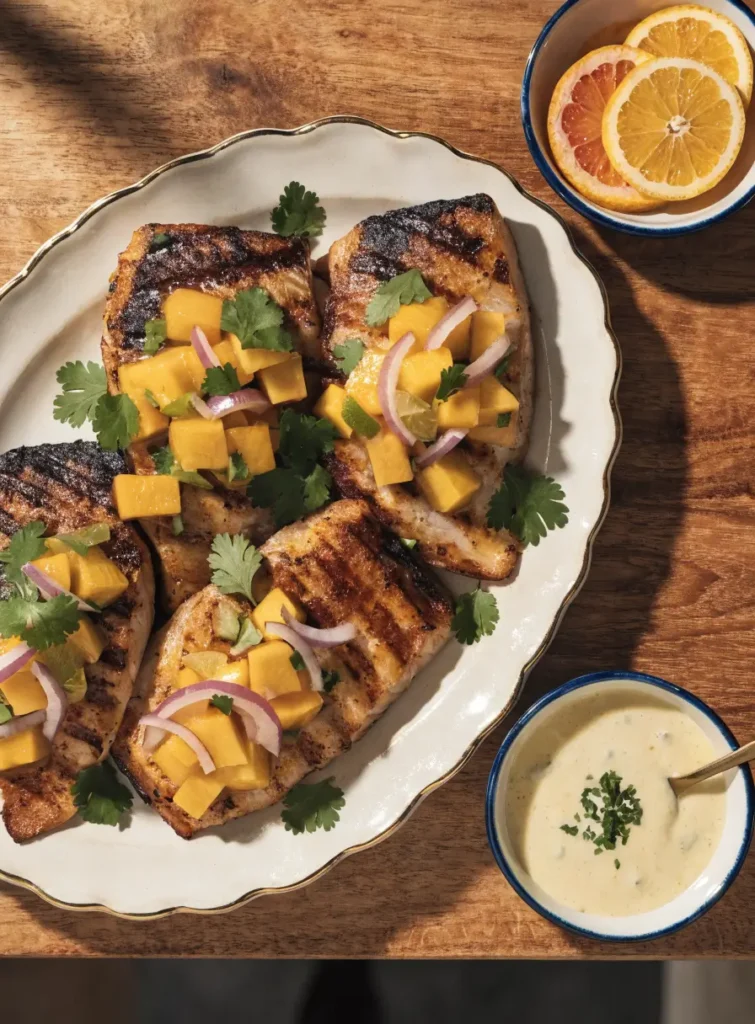
One of the reasons I never get tired of making this tropical seafood recipe is because there are countless ways to serve it. The combination of flaky grilled fish, fresh fruit salsa, and bright citrus flavors makes it incredibly versatile. Whether you’re planning a healthy seafood dinner, a casual family meal, a summer lunch, or an outdoor gathering with friends, this dish adapts beautifully while always feeling fresh and satisfying.
Serve It Over Coconut Rice
One of my favorite ways to serve this grilled fish is over a bed of fluffy coconut rice. The subtle sweetness of the rice complements the fresh mango salsa while helping soak up all the flavorful juices from the fish. The combination creates an island-inspired meal that feels both comforting and refreshing. It’s an excellent option when you’re craving tropical dinner ideas that are simple enough for weeknights yet impressive enough for guests.
Build a Tropical Grain Bowl
For a healthy lunch or high-protein dinner, flake the fish into large pieces and serve it over quinoa, brown rice, farro, or even cauliflower rice. Add sliced avocado, cucumbers, shredded carrots, fresh greens, and an extra spoonful of mango salsa. The result is a colorful grain bowl packed with lean protein, fresh produce, and vibrant flavors that make healthy eating feel anything but boring.
Create Fresh Fish Tacos
This is one of my favorite ways to repurpose leftovers. Warm a few tortillas and fill them with flaky fish, mango salsa, shredded cabbage, avocado slices, and a squeeze of fresh lime. The sweet and savory combination creates an easy seafood taco recipe that’s perfect for summer dinners, casual gatherings, and taco nights. It’s also a great way to introduce seafood to family members who may not normally choose fish.
Pair It with a Seasonal Salad
For a lighter meal, serve the fish alongside Shrimp Avocado Mango Bowls – Fresh Tropical Shrimp Salad with Avocado, Mango & Lime. The creamy avocado, juicy mango, fresh lime, and vibrant vegetables complement the grilled fish beautifully while reinforcing the tropical flavors throughout the meal. Together, they create a colorful coastal-inspired spread that’s perfect for summer entertaining, outdoor dining, and healthy seafood dinners that feel both satisfying and refreshing.
Make It the Centerpiece of a Seafood Platter
When entertaining guests, I love turning this recipe into the centerpiece of a larger seafood spread. Arrange the fish on a serving platter surrounded by grilled shrimp, fresh vegetables, citrus wedges, tropical fruit, and chilled salads. This presentation creates a coastal-inspired dining experience that feels festive, inviting, and perfect for summer parties or backyard gatherings.
Turn It Into Easy Meal Prep Lunches
This recipe works surprisingly well for meal prep. Prepare extra fish and portion it into containers with rice, vegetables, and mango salsa for quick lunches throughout the week. The fresh salsa helps keep the meal bright and flavorful, making it a welcome change from typical meal-prep recipes.
Serve It Family Style
For relaxed gatherings, place the fish on a large serving platter and surround it with bowls of mango salsa, avocado slices, lime wedges, fresh herbs, and grilled vegetables. Family-style serving encourages sharing and allows everyone to customize their plates. It’s one of my favorite ways to serve this recipe during summer cookouts and casual weekend dinners.
Create a Tropical Dinner Party Menu
If you’re hosting a dinner party, this dish makes an excellent main course because it feels elegant without requiring complicated preparation. Pair it with fresh seasonal sides, tropical-inspired appetizers, and a light fruit-based dessert to create a menu that feels restaurant-worthy while still being approachable for home cooks.
The versatility of this recipe is one of the main reasons it remains a favorite in my kitchen. Whether served as a healthy grilled fish dinner, transformed into tacos, added to grain bowls, or featured at a summer gathering, it consistently delivers fresh flavors, vibrant colors, and a memorable dining experience that guests are always eager to enjoy again.
Explore More Recipes
One of the things I love most about cooking is discovering new flavor combinations and seasonal favorites. If this tropical fish dinner inspired you to fire up the grill more often or experiment with fresh ingredients, these recipes are wonderful additions to your collection.
BBQ Honey Lime Salmon Skewers (Juicy Grilled Salmon Recipe Ready in 25 Minutes)
Sweet honey, bright citrus, and perfectly grilled salmon come together in a recipe that’s ideal for busy weeknights and summer entertaining. The fresh flavors make it a natural next step for seafood lovers.
Grilled Peach and Burrata Salad – Summer’s Creamiest, Juiciest Bite
This beautiful salad combines sweet grilled peaches, creamy burrata, and fresh ingredients for a side dish that’s equally at home at casual cookouts and elegant outdoor dinners.
Shrimp Avocado Mango Bowls – Fresh Tropical Shrimp Salad with Avocado, Mango & Lime
If you’re a fan of tropical flavors, this colorful bowl delivers fresh seafood, creamy avocado, juicy mango, and bright citrus in one satisfying meal. It’s perfect for healthy lunches, meal prep, and light summer dinners.
Sam’s Pro Tips for Perfect Grilled Mahi Mahi with Mango Salsa
After years of cooking seafood and testing countless grilled fish recipes, I’ve found that success often comes down to a handful of small details. These simple techniques can help you achieve flaky fish, vibrant salsa, and restaurant-quality results every time you fire up the grill.
Buy the Freshest Fish Available
Great seafood recipes always start with quality ingredients. Fresh mahi mahi should have a clean ocean scent, firm flesh, and a moist appearance. Avoid fish that smells overly fishy or looks dry around the edges. When you’re working with high-quality fish, you don’t need complicated marinades or heavy seasonings to create an incredible meal.
Don’t Skip Drying the Fillets
One of the biggest mistakes home cooks make when grilling fish is placing wet fillets directly on the grill. Patting the fish thoroughly dry with paper towels helps create better browning, encourages light grill marks, and reduces sticking. This simple step can dramatically improve both texture and appearance.
Use Perfectly Ripe Mangoes
The fresh mango salsa is just as important as the fish itself. Look for mangoes that yield slightly when gently squeezed and have a sweet aroma near the stem. A ripe mango provides the juicy sweetness that balances the smoky grilled fish and creates the tropical flavor combination that makes this recipe so memorable.
Let the Salsa Rest Before Serving
I always prepare the mango salsa before I start grilling. Allowing it to sit for 10 to 15 minutes gives the lime juice, mango, cilantro, onion, and jalapeño time to mingle and develop deeper flavor. The result is a brighter, more balanced salsa that tastes fresher and more vibrant.
Avoid Overcooking the Fish
This is the single most important tip for juicy grilled mahi mahi. Because mahi mahi is naturally lean, even a few extra minutes on the grill can cause it to dry out. Cook just until the fish flakes easily with a fork and reaches an internal temperature of 145°F. The center should remain moist and tender.
Oil and Preheat the Grill Properly
Many grilling frustrations begin before the fish even touches the grates. A clean, properly preheated grill helps prevent sticking and encourages even cooking. I always oil the grates lightly before grilling, especially when cooking delicate proteins like seafood.
Use Fresh Lime Juice Instead of Bottled
Fresh lime juice provides a brighter, cleaner flavor that enhances both the fish and the salsa. Bottled juice can work in a pinch, but fresh citrus delivers the vibrant tropical flavor that helps this dish stand out from ordinary grilled fish recipes.
Give the Fish a Brief Rest
Just like steak, grilled fish benefits from a short resting period. Allow the fillets to rest for 2 to 3 minutes after coming off the grill. This helps the juices redistribute throughout the fish, resulting in a more tender and flavorful bite.
Pair It with Complementary Summer Flavors
When planning a complete meal, choose sides that enhance the tropical and coastal-inspired flavors rather than competing with them. I particularly enjoy serving this dish alongside Garlic Jasmine Rice (Fragrant, Fluffy & Full of Flavor) because the aromatic rice absorbs the juices from both the fish and salsa while allowing the fresh ingredients to remain the star of the plate.
Serve It Fresh Off the Grill
Like many grilled seafood recipes, mahi mahi is at its absolute best when served immediately. The combination of warm, flaky fish and cool, refreshing mango salsa creates a contrast that’s difficult to replicate later. If possible, have your sides ready before the fish finishes cooking so everything can reach the table at its peak.
Common Mistakes to Avoid and How to Solve Them
Even though this is a beginner-friendly seafood recipe, a few common mistakes can mean the difference between perfectly flaky fish and a disappointing dinner. The good news is that most of these issues are easy to avoid once you know what to look for. These simple tips will help you achieve juicy grilled fish, vibrant salsa, and restaurant-quality results every time.
Mistake #1: Overcooking the Fish
This is by far the most common issue when preparing grilled mahi mahi. Because it’s a naturally lean white fish, even a minute or two of extra cooking time can cause it to become dry and lose its tender texture.
Solution
Cook the fish just until it flakes easily with a fork and reaches an internal temperature of 145°F. Remember that residual heat will continue cooking it slightly after it leaves the grill.
Mistake #2: Using Underripe Mangoes
The mango salsa is one of the stars of this recipe. Using fruit that’s too firm or not fully ripe can result in a tart salsa that lacks the sweet tropical flavor this dish is known for.
Solution
Choose mangoes that yield slightly when gently squeezed and have a sweet aroma near the stem. Properly ripe mangoes create a sweeter, juicier, and more flavorful salsa.
Mistake #3: Moving the Fish Too Early
One of the quickest ways to damage a beautiful fish fillet is by trying to flip it before it’s ready.
Solution
Allow the fish to cook undisturbed for several minutes. Once properly seared, it will naturally release from the grill grates with much less resistance.
Mistake #4: Forgetting to Oil the Grill
Fish is more delicate than many other proteins and can stick quickly to dry grates.
Solution
Clean the grill thoroughly, preheat it properly, and lightly oil the grates before cooking. This simple step makes grilling seafood significantly easier.
Mistake #5: Overloading the Salsa
It can be tempting to add extra fruits, vegetables, or seasonings, but too many ingredients can overwhelm the fresh tropical flavors.
Solution
Keep the salsa simple and let the mango remain the focal point. The balance between sweet fruit, citrus, herbs, and mild heat is what makes it so effective.
Mistake #6: Skipping the Resting Time
Many home cooks serve fish immediately after removing it from the grill.
Solution
Allow the fillets to rest for 2 to 3 minutes before serving. This helps the juices redistribute throughout the fish and results in a more tender, flavorful bite.
Mistake #7: Not Preparing Side Dishes First
Because this quick seafood dinner cooks so fast, side dishes often become the reason dinner gets delayed.
Solution
Prepare your sides before the fish hits the grill. Mahi mahi cooks quickly, and the fresh mango salsa comes together in minutes, so having everything else ready ensures the meal reaches the table at its peak. This is especially important when serving grilled seafood because the contrast between warm, flaky fish and cool, refreshing salsa is part of what makes the dish so enjoyable. Planning ahead also helps create a smoother cooking experience when entertaining guests or preparing a healthy weeknight dinner.
Mistake #8: Using Bottled Lime Juice
Bottled lime juice often lacks the vibrant aroma and fresh flavor that make tropical seafood dishes shine.
Solution
Use freshly squeezed lime juice whenever possible. The difference is noticeable in both the fish seasoning and the homemade salsa.
Mistake #9: Making the Salsa Too Far Ahead
While some resting time improves flavor, preparing the salsa too far in advance can affect texture.
Solution
Make the salsa within a few hours of serving. This keeps the mango firm, the herbs vibrant, and the overall presentation fresher.
Mistake #10: Serving the Fish Cold
One of the highlights of this recipe is the contrast between warm grilled fish and cool, refreshing salsa.
Solution
Serve the fish immediately after topping it with the salsa. This temperature contrast enhances both flavor and texture while creating the restaurant-quality experience that makes this dish so memorable.
Mistake #11: Buying Fish Without Checking Quality
Even the best recipe can’t compensate for poor-quality seafood.
Solution
Look for firm fillets with a clean, mild ocean scent. High-quality fish requires less seasoning and delivers better flavor naturally.
Mistake #12: Ignoring Seafood Safety Guidelines
Improper handling or storage can affect both food quality and safety.
Solution
Keep fish refrigerated until you’re ready to cook it and follow proper seafood handling practices. According to the FDA Food Safety at Home, seafood should be cooked to the proper temperature and handled safely to reduce foodborne illness risks.
By avoiding these common mistakes, you’ll dramatically improve your chances of creating a juicy, flavorful grilled fish dinner that looks beautiful, tastes incredible, and earns rave reviews from family and friends.
Make It Healthier Options
One of the reasons I return to this tropical fish dinner so often is that it’s already a naturally nutritious meal. Mahi mahi is a lean, high-protein fish, while the fresh mango salsa provides vitamins, antioxidants, and bright flavor without relying on heavy cream sauces or processed ingredients. That said, there are several easy ways to make this recipe even lighter and more nutrient-dense while preserving everything that makes it delicious.
Reduce Added Oil
If you’re watching calories or following a lower-fat eating plan, you can lightly brush the fish with olive oil rather than coating it generously. You’ll still achieve beautiful grill marks and excellent flavor while slightly reducing the overall fat content of the meal.
Add More Colorful Vegetables
One of my favorite ways to increase the nutritional value of this recipe is by serving it with a variety of grilled or roasted vegetables. Bell peppers, zucchini, asparagus, broccoli, and green beans all pair beautifully with the tropical flavors of the fish and salsa. Adding more vegetables not only increases fiber but also creates a more filling meal without adding many calories.
Choose a Lower-Carb Serving Style
If you’re looking for a lighter seafood dinner or following a lower-carb lifestyle, skip the rice and serve the fish over mixed greens, cauliflower rice, or grilled vegetables. The fresh mango salsa already provides natural sweetness and vibrant flavor, so you won’t feel like you’re missing anything.
Boost the Protein Content
For those focused on high-protein meals, consider pairing the fish with Chickpea Cucumber Feta Salad (Fresh High Protein Mediterranean Meal Prep Ready in 10 Minutes). The combination of protein-rich chickpeas, crisp cucumbers, and tangy feta creates a satisfying side dish that complements the bright tropical flavors of the fish without overpowering them. It’s an excellent choice for meal prep, healthy summer lunches, and balanced dinners that keep you feeling full and energized long after the meal is over.
Increase Healthy Fats Naturally
Instead of adding extra sauces, consider serving the fish with sliced avocado. Avocado contributes heart-healthy fats, fiber, and a creamy texture that pairs exceptionally well with the mango salsa and grilled fish.
Control Sodium Without Sacrificing Flavor
One of the easiest ways to create healthier seafood recipes is to rely on fresh ingredients rather than excess salt. Fresh lime juice, cilantro, mango, garlic, and quality fish naturally provide plenty of flavor, allowing you to reduce sodium while still creating a vibrant and satisfying dish.
Use Fresh Ingredients Whenever Possible
Fresh fish, ripe mangoes, fresh herbs, and freshly squeezed citrus create a brighter, more flavorful meal than many packaged alternatives. Using fresh ingredients allows the natural flavors to shine while minimizing the need for heavy sauces, excess oil, or additional seasonings.
Focus on Balanced Portions
For a well-rounded healthy dinner, try filling half your plate with vegetables, one-quarter with the grilled fish, and the remaining portion with a healthy side dish. This simple approach helps create a balanced meal that’s satisfying without feeling overly heavy.
According to the Mayo Clinic Healthy Eating Guide, building meals around lean proteins, fruits, vegetables, and minimally processed ingredients can support long-term healthy eating habits while still providing enjoyable and flavorful dining experiences.
Easy Variations You Can Try
One of the reasons I keep coming back to this tropical grilled fish recipe is its versatility. With just a few simple ingredient swaps, you can create entirely new flavor profiles while preserving the fresh, vibrant qualities that make this dish so appealing. Whether you’re looking for healthy seafood dinner ideas, easy summer grilling recipes, or creative ways to enjoy fresh fish, these variations can help keep the recipe exciting all season long.
Avocado Mango Salsa Version
For a creamier and more satisfying topping, add diced avocado to the mango salsa. The buttery texture of ripe avocado balances the bright acidity of the lime juice while adding healthy fats that make the meal feel even more substantial. This variation is especially popular for light summer dinners because it transforms the salsa into a richer, more filling accompaniment without losing its refreshing character.
Spicy Island-Style Fish
If you enjoy bold flavors, increase the heat by adding extra jalapeño, diced serrano peppers, or a pinch of cayenne pepper to the salsa. The combination of sweet mango, smoky grilled fish, and spicy peppers creates a tropical-inspired flavor profile that’s perfect for backyard cookouts and outdoor entertaining. The extra heat also helps highlight the natural sweetness of the fruit.
Pineapple Salsa Variation
Replace half of the mango with fresh pineapple for a sweeter, tangier tropical salsa. Pineapple adds a juicy burst of flavor that pairs beautifully with grilled seafood and creates a bright island-style dinner that’s perfect for warm-weather dining. This variation is particularly popular at summer gatherings because of its vibrant color and refreshing taste.
Mediterranean-Inspired Fish
For a completely different direction, swap the fruit salsa for a mixture of diced tomatoes, cucumber, red onion, feta cheese, parsley, and lemon juice. The result is a Mediterranean-style seafood dinner that feels fresh, light, and packed with flavor. It’s a great option when you’re craving healthy grilled fish recipes with a more savory profile.
Citrus Herb Version
Enhance the seasoning blend with orange zest, extra lime juice, fresh parsley, and a touch of basil. These bright citrus and herb flavors complement the fish beautifully while creating a lighter, garden-fresh flavor profile that’s ideal for spring and summer meals.
Blackened Fish Variation
For a bolder and smokier flavor, coat the fish with homemade blackening seasoning before grilling. The spicy crust contrasts beautifully with the sweet fruit salsa and creates a restaurant-style seafood dinner that feels elevated without requiring additional effort. This version is especially appealing for anyone who enjoys Cajun-inspired seafood recipes.
Tropical Rice Bowl Version
Transform the recipe into a colorful rice bowl by serving the grilled fish over rice, quinoa, or cauliflower rice and topping it with extra mango salsa, avocado, cucumbers, and fresh greens. This variation works particularly well for healthy meal prep lunches and high-protein dinners because it’s easy to customize and pack ahead.
Taco Night Transformation
One of my favorite ways to reinvent leftovers is by turning them into fish tacos. Flake the fish into warm tortillas and top with mango salsa, shredded cabbage, avocado, and a squeeze of fresh lime. The combination creates a fresh, flavorful taco that’s perfect for weeknight dinners and casual summer gatherings.
If you’re a fan of seafood tacos, be sure to try Cajun Grilled Fish Tacos with Avocado Slaw (Easy 30-Minute Fish Taco Recipe Packed with Bold Flavor) for another delicious way to enjoy grilled fish with fresh toppings.
Pair It with Tropical-Inspired Sides
You can also change the overall feel of the meal by pairing the fish with different side dishes. Fresh fruit salads, coconut rice, grilled vegetables, and citrus-based salads all complement the bright flavors of the fish beautifully. Small changes like these can make the same recipe feel completely new every time you prepare it.
Experiment with Different Fruit Salsas
While mango is the classic choice, don’t be afraid to experiment with peaches, pineapple, watermelon, or even a combination of fruits. Seasonal fruit salsas can add new flavors and colors while maintaining the fresh, coastal-inspired feel that makes this style of grilled fish so enjoyable.
According to FDA Seafood Safety Information, seafood is best enjoyed when properly handled, stored, and cooked to safe temperatures, helping you get the most flavor and quality from every meal.
Storage and Reheat Tips
While this tropical seafood recipe is at its absolute best straight off the grill, leftovers can still be flavorful and enjoyable when stored properly. Because fish is more delicate than many proteins, a little extra care goes a long way toward preserving its texture and taste. Whether you’re planning ahead for meal prep or saving extra portions for lunch the next day, these simple storage and reheating tips will help you get the most from every bite.
Refrigerating Leftovers
For the best results, store the grilled fish and mango salsa in separate airtight containers. Keeping them apart helps preserve the texture of both components and prevents the salsa from making the fish soggy.
The cooked fish can be refrigerated for up to 2 days, while the fresh salsa is best enjoyed within 1 to 2 days. Because the salsa contains fresh fruit and herbs, it will gradually soften and release moisture as it sits.
Reheating the Fish
My preferred reheating method is using a skillet over low heat. Place the fish in the pan with a small splash of water or a light drizzle of olive oil and warm it gently for a few minutes until heated through.
You can also use the oven by placing the fish in a covered baking dish and warming it at 300°F (150°C) for about 5 to 7 minutes. This method helps retain moisture while preventing the fish from becoming dry.
Avoid Overheating
One of the biggest mistakes people make when reheating seafood is using heat that’s too high. Fish continues to cook during reheating, so excessive heat can quickly turn a tender fillet into a dry one.
Low and gentle heat is the secret to preserving the flaky texture that makes grilled mahi mahi so enjoyable. If possible, remove the fish from the heat as soon as it’s warmed through.
Repurpose Leftovers into New Meals
One of my favorite things about leftover grilled fish is how easily it transforms into completely different meals. Flake it into tacos, grain bowls, wraps, salads, or lettuce cups for quick lunches and easy dinners.
For a fresh and satisfying next-day meal, I love serving leftover fish alongside Chickpea Cucumber Feta Salad (Fresh High Protein Mediterranean Meal Prep Ready in 10 Minutes). The crisp vegetables, tangy feta, and protein-rich chickpeas create a balanced lunch that complements the tropical flavors of the fish beautifully.
Refresh the Salsa Before Serving
If your salsa has been refrigerated overnight, give it a quick stir before serving. A small squeeze of fresh lime juice can help revive the bright flavors and make it taste freshly prepared.
This simple step can dramatically improve the overall flavor and presentation of leftover portions.
Can You Freeze It?
Cooked mahi mahi can be frozen for up to 2 months when stored in a freezer-safe container or heavy-duty freezer bag. However, the texture is always best when enjoyed fresh.
I generally recommend freezing only the fish and preparing a fresh batch of salsa when you’re ready to serve. Fresh mango salsa delivers a much brighter flavor and better texture than frozen and thawed fruit mixtures.
Food Safety Tips for Seafood Leftovers
Seafood should always be refrigerated promptly after serving and should never sit at room temperature for extended periods. Proper storage helps maintain both food quality and food safety while extending the life of your leftovers.
Cooked seafood should be refrigerated promptly and handled according to recommended food safety practices to help maintain freshness and reduce the risk of foodborne illness.
With proper storage and gentle reheating, leftover grilled fish can become the foundation for several delicious meals, making this recipe just as practical as it is flavorful.
Make It a Meal
A great seafood dinner becomes even better when it’s paired with sides and desserts that complement its fresh, tropical flavors. When I’m serving this grilled fish recipe for family or friends, I like building a complete menu that highlights the bright citrus notes, juicy fruit salsa, and smoky grilled flavors without making the meal feel heavy. These pairings help turn a simple dinner into a memorable warm-weather feast.
Fresh Summer Side
Street Corn Cucumber Salad – Easy Mexican-Inspired Summer Side Dish with Lime & Cotija
The crisp cucumbers, sweet corn, creamy cotija cheese, and fresh lime flavors create a refreshing contrast to the flaky grilled fish. The combination adds texture, color, and a vibrant summer feel that makes the entire meal more exciting.
Flavorful Rice Pairing
Garlic Coconut Rice: Creamy, Fragrant, and Utterly Delicious
The subtle coconut flavor complements the tropical mango salsa beautifully while providing a comforting base for soaking up every flavorful bite. It’s one of my favorite side dishes whenever I’m serving grilled seafood with fruit-based toppings.
Tropical Dessert Finish
Creamy Passion Fruit Mousse (Easy, No-Bake Tropical Dessert)
After a fresh seafood dinner, I love ending the meal with something light and refreshing. This silky passion fruit mousse continues the tropical theme while providing the perfect sweet finish without feeling overly rich.
Frequently Asked Questions
How long does mahi mahi take to grill?
Most mahi mahi fillets take about 8 to 10 minutes total over medium-high heat, depending on thickness. A good rule of thumb is to cook the fish until it flakes easily with a fork and reaches an internal temperature of 145°F. According to Seatopia, fish should be cooked to a safe internal temperature to ensure both quality and food safety.
What’s the best seasoning for grilled mahi mahi?
Simple seasonings often produce the best results. A combination of olive oil, garlic, smoked paprika, salt, pepper, and fresh lime juice enhances the fish’s natural flavor without overpowering it. Fresh herbs and citrus also pair exceptionally well with tropical fruit salsa.
Can I use frozen mahi mahi for grilling?
Yes. Frozen mahi mahi works very well when properly thawed. For the best texture, thaw the fish overnight in the refrigerator and pat it completely dry before seasoning and grilling.
What does mahi mahi taste like?
Mahi mahi has a mild, slightly sweet flavor with a firm, meaty texture. It’s less fishy than many other seafood options, making it an excellent choice for people who are new to cooking fish or looking for family-friendly seafood recipes.
What fruits go well with grilled fish?
Mango is one of the most popular choices, but pineapple, peaches, papaya, watermelon, and citrus fruits also pair beautifully with grilled seafood. Their natural sweetness creates a delicious contrast to smoky grilled flavors.
Can I make the mango salsa ahead of time?
Yes. The salsa can be prepared several hours in advance and refrigerated until serving. In fact, allowing it to rest for a short time often improves the flavor as the ingredients have time to blend together.
What side dishes go best with grilled fish and mango salsa?
Fresh salads, grilled vegetables, rice dishes, quinoa bowls, and light summer sides all complement the bright tropical flavors. The key is choosing sides that enhance the fish rather than overpower it.
Is mahi mahi a healthy fish to eat?
Mahi mahi is naturally rich in lean protein while remaining relatively low in calories and saturated fat. It can be a nutritious addition to a balanced eating pattern that includes a variety of seafood, fruits, vegetables, and whole foods.
How do I keep grilled fish from sticking to the grill?
Make sure the grill is fully preheated, clean, and lightly oiled before adding the fish. Patting the fillets dry before cooking also helps reduce sticking and improves browning.
Can I cook mahi mahi without an outdoor grill?
Absolutely. A grill pan, cast-iron skillet, broiler, or even an air fryer can produce excellent results. While you may lose some of the smoky outdoor flavor, the fish will still develop a delicious crust and tender texture.
How do I know when grilled fish is done?
The fish should appear opaque throughout and flake easily when gently tested with a fork. An instant-read thermometer is the most reliable method and should register 145°F at the thickest part of the fillet.
Is mango salsa healthy?
Fresh mango salsa can be a nutritious topping because it contains fruit, fresh herbs, and vegetables while adding flavor without relying on heavy sauces. According to The Nutrition Source, fruits and vegetables provide important nutrients and can be part of a healthy eating pattern.
Can I use this recipe for fish tacos?
Yes. The grilled fish can easily be flaked into warm tortillas and topped with the mango salsa, shredded cabbage, avocado, and lime juice for a fresh and flavorful seafood taco dinner.
What fish can I substitute for mahi mahi?
If mahi mahi isn’t available, halibut, grouper, snapper, cod, sea bass, or swordfish are all excellent alternatives. Choose a firm fish that can hold up well to grilling and pair nicely with fruit salsa.
Why is my grilled fish dry?
Overcooking is usually the culprit. Because mahi mahi is relatively lean, it can dry out quickly if left on the grill too long. Monitoring the internal temperature and removing it promptly from the heat helps preserve moisture and tenderness.
Can I make this recipe for meal prep?
Yes, although the fish is best enjoyed fresh, it can be prepared ahead and stored for up to 2 days in the refrigerator. For the best texture and flavor, store the fish and salsa separately and combine them just before serving. This approach works well for healthy seafood meal prep lunches and quick high-protein dinners.
What’s the best type of mango for homemade salsa?
Ataulfo (Honey) mangoes are often preferred because they’re naturally sweet, smooth, and less fibrous than some larger varieties. However, Tommy Atkins, Kent, and Keitt mangoes also work well. The most important factor is choosing fruit that’s fully ripe and fragrant.
Should I grill mahi mahi with the lid open or closed?
For most fillets, grilling with the lid closed helps maintain consistent heat and encourages even cooking. However, if you’re working with thinner fillets or monitoring closely, you can briefly open the lid to check for grill marks and prevent overcooking.
Can I marinate mahi mahi before grilling?
Yes, but keep the marinade relatively simple and avoid marinating for too long. Acidic ingredients such as lime juice can begin to break down the fish if left for extended periods. A short 15 to 30-minute marinade is usually sufficient for adding flavor while preserving texture.
What temperature should the grill be for fish?
Medium-high heat, around 400°F to 450°F, is ideal for grilling fish. This temperature allows the exterior to develop attractive grill marks while keeping the inside moist and flaky. Maintaining consistent heat is one of the keys to achieving restaurant-quality grilled seafood at home.
Final Thoughts
Every summer, I find myself returning to recipes that feel fresh, vibrant, and uncomplicated. Grilled Mahi Mahi with Mango Salsa checks every one of those boxes.
The combination of smoky grilled fish and bright tropical salsa creates a meal that’s both light and satisfying. It’s elegant enough for entertaining guests, simple enough for weeknight dinners, and flavorful enough to become a regular part of your grilling rotation.
Whether you’re new to cooking seafood or already love grilled fish recipes, this dish delivers restaurant-quality results using simple ingredients and straightforward techniques. It’s one of those recipes that reminds me how powerful fresh ingredients can be when they’re allowed to shine.
“Fresh mango, smoky grilled fish, and bright citrus flavors come together to create a tropical seafood dinner that’s simple enough for weeknights and impressive enough for guests.” – Sam
📌 Pin & Share the Love
✨ Love this Grilled Mahi Mahi with Mango Salsa? Pin it to your Summer Grilling Recipes, Healthy Seafood Dinners, Tropical Dinner Ideas, or Easy Weeknight Meals board and tag us @readyprepmeals!
📌 Pin This Recipe: Grilled Mahi Mahi with Mango Salsa
Tender grilled mahi mahi fillets are topped with a vibrant mango salsa made with fresh fruit, lime, cilantro, and jalapeño. This easy seafood dinner is ready in just 30 minutes and delivers the perfect combination of smoky, sweet, and refreshing flavors.❤️ Save this recipe for your next seafood dinner.
📌 Share it with friends who love fresh summer recipes.
🔥 Follow Ready Prep Meals for more easy grilling recipes, healthy dinners, and family-friendly meals.
Discover more from Ready Prep Meals
Subscribe to get the latest posts sent to your email.