 Samantha
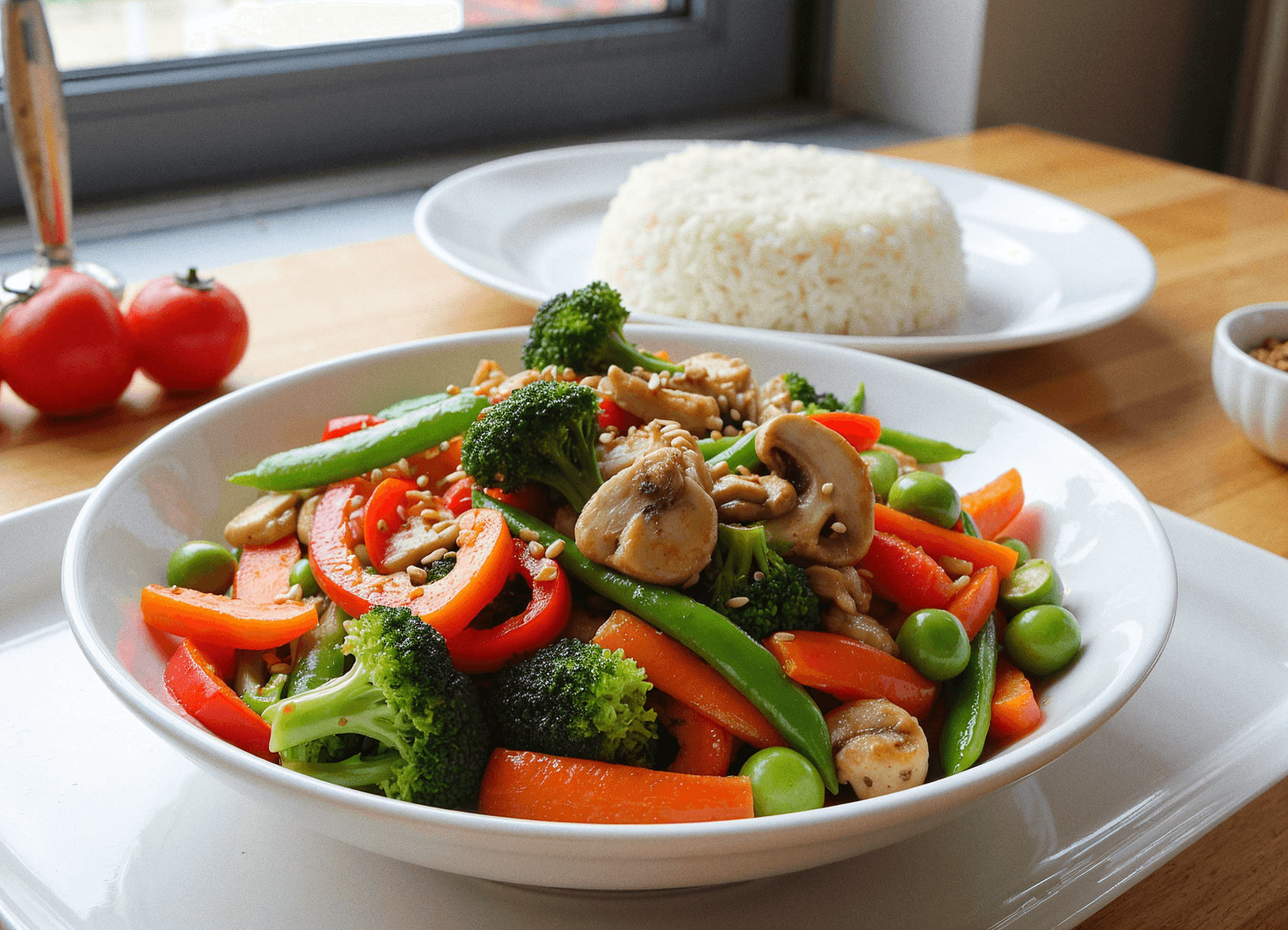
 There’s something almost therapeutic about making Stir-Fried Vegetables—the sound of the pan, the quick movement, the vibrant colors coming to life in just minutes. It’s one of those recipes I lean on when I want something fresh, fast, and genuinely nourishing without sacrificing flavor. Over the years, this has become my go-to quick vegetable stir fry recipe for busy days when I still want a meal that feels intentional.
What I love most about Stir-Fried Vegetables is how forgiving and flexible they are. You don’t need exact measurements or a rigid ingredient list. A mix of broccoli, carrots, bell peppers, or whatever you have on hand can easily turn into a healthy stir fried vegetables dish that’s both satisfying and balanced. That’s why it’s perfect for beginners and experienced cooks alike.
From a culinary perspective, mastering this dish is really about understanding heat and timing. Cooking over high heat helps maintain that crisp-tender texture, which is what separates a great vegetable stir fry recipe from one that feels soggy or overcooked. Once you learn how to control that, everything else falls into place.
And beyond taste and technique, there’s real value in incorporating more vegetables into everyday meals. According to ScienceDirect, eating a variety of colorful vegetables supports long-term health and provides essential nutrients your body needs—something I always keep in mind when creating simple recipes like this.
How to Make Stir-Fried Vegetables Perfect Every Time
To make stir-fried vegetables perfectly, cook them over high heat in a wide pan or wok, avoid overcrowding, and stir constantly. Add sauce at the end to keep the vegetables crisp and flavorful. This method helps you achieve that signature tender-crisp texture instead of soggy results.
RECIPE OVERVIEW
- Course: Side Dish / Main
- Cuisine: Asian-Inspired
- Skill Level: Beginner
- Difficulty Level: Easy
- Prep Time: 10 minutes
- Cook Time: 10 minutes
- Total Time: 20 minutes
- Servings: 4
- Main Ingredients: Mixed vegetables, garlic, soy sauce
- Best For: Quick meals, healthy sides, meal prep
Nutritional Snapshot
- Calories: ~120 per serving
- Protein: 4g
- Carbs: 15g
- Fat: 6g
- Fiber: 4g
- Sugar: 5g
- Sodium: 450mg
- Mood Boost Factor: Crunchy, colorful, and full of fiber, antioxidants, and vitamin C
For more insight on how stir-frying preserves nutrients, check out this cooking methods guide from the ResearchGate.
Budget Breakdown
- Vegetables: ~$5.00 (mix of broccoli, carrots, bell peppers, snap peas)
- Sauce ingredients (soy sauce, garlic, oil): ~$1.50
- Optional tofu/rice: ~$2.00
- Total Cost: ~$8.50
- Cost per Serving: ~$2.12
Why You’ll Love These Stir-Fried Vegetables
Quick and Easy for Real-Life Cooking
If you’re looking for a quick stir-fried vegetables recipe for busy weeknights, this one truly delivers. It comes together in about 20 minutes, making it perfect when you want something fresh and homemade without spending hours in the kitchen. I often rely on this as my go-to easy vegetable stir fry when time is tight but I still want something satisfying.
Perfect for Meal Prep and Flexible Meals
One of the biggest advantages of these stir-fried vegetables is how well they fit into meal prep. You can make a batch ahead of time and pair it with rice, noodles, tofu, or chicken throughout the week. It’s a simple way to create healthy meal prep ideas that don’t feel repetitive or boring.
Completely Customizable with Seasonal Ingredients
You can use almost any vegetables you have on hand—broccoli, bell peppers, snap peas, carrots, or zucchini. That’s what makes this such a practical mixed vegetable stir fry recipe. It adapts to what’s in your fridge and what’s in season, making it both budget-friendly and sustainable.
Naturally Plant-Based and Diet-Friendly
These stir-fried vegetables are naturally vegan and can easily be made gluten-free by choosing the right sauce. It’s a great option if you’re looking for plant-based dinner ideas or trying to incorporate more vegetables into your routine without sacrificing flavor.
Packed with Color, Crunch, and Nutrients
A good stir fry isn’t just about taste—it’s about texture and nutrition too. Cooking quickly over high heat helps preserve that crisp-tender bite and vibrant color, turning simple ingredients into a nutrient-rich vegetable dish. According to Mayo Clinic, eating a variety of colorful vegetables supports overall health and provides essential vitamins and antioxidants.
Works as a Main Dish or Flavorful Side
Whether you serve it on its own or alongside your favorite protein, these stir-fried vegetables are incredibly versatile. They can be a light main dish, a hearty side, or part of a larger spread—making them one of the most useful recipes to keep in your rotation.
Behind the Recipe
My journey with Stir-Fried Vegetables didn’t start in a professional kitchen—it started at home, trying to figure out how to cook something quick without relying on takeout. I remember the first time I tried making a simple vegetable stir fry recipe—I overcrowded the pan, used low heat, and ended up with something more steamed than stir-fried. It wasn’t terrible, but it definitely wasn’t what I was aiming for.
That experience taught me something important: this dish is all about technique. Over time, I learned to respect the process—prepping ingredients ahead, cooking in batches, and letting the heat do its job. Once I got that right, my Stir-Fried Vegetables started to develop that signature texture—slightly crisp, lightly caramelized, and full of flavor.
What keeps me coming back to this recipe is how it evolves. Some days it’s a quick side dish, other times it becomes a full plant-based meal with tofu or noodles. It’s also one of the easiest ways to use up leftover produce, making it a practical and budget-friendly meal idea that fits into real life.
There’s also something deeply satisfying about cooking vegetables this way. You’re not masking their flavor—you’re enhancing it. That’s what makes a great easy stir fried vegetables recipe stand out: it highlights the natural taste while adding just enough seasoning to bring everything together.
Ingredients You’ll Need
- 2 cups broccoli florets
- 1 red bell pepper, sliced
- 1 yellow bell pepper, sliced
- 1 cup snap peas
- 1 medium carrot, thinly sliced
- 2 cloves garlic, minced
- 1 tbsp soy sauce (or tamari for gluten-free)
- 1 tsp sesame oil
- 1 tbsp neutral oil (canola, avocado)
- 1/2 tsp cornstarch mixed with 1 tbsp water (optional for thickening)
Optional Add-ins:
- Mushrooms, zucchini, bok choy, baby corn, tofu, edamame, or shredded cabbage
You Might Also Love
More Quick and Healthy Recipes
If you enjoyed these stir-fried vegetables, you’ll probably love other recipes that are just as quick, colorful, and packed with flavor. I always look for dishes that feel fresh but still satisfying—something you can make without overthinking.
Perfect for Busy Days
Just like this quick vegetable stir fry recipe, the dishes below are ideal for real-life cooking. They’re simple, reliable, and great for anyone looking for easy weeknight meal ideas that don’t sacrifice flavor.
Great for Meal Prep and Variety
These recipes pair beautifully with your stir-fried vegetables or can be rotated into your weekly plan to keep things interesting.
You Might Also Love
- Creamy Chicken Garlic Parmesan Pasta – Easy 30-Minute Dinner Recipe – rich and comforting
- Chicken Parmesan Casserole (Easy, Cheesy, Family Favorite) – perfect for sharing
- High-Protein Breakfast Burritos – Easy Freezer-Friendly Recipe – great for meal prep
Ingredient Highlights in Stir-Fried Vegetables
Broccoli
Broccoli is one of my favorite additions to stir-fried vegetables because it brings both texture and nutrition. When cooked over high heat, it stays crisp-tender, adding that satisfying bite you want in a quick vegetable stir fry recipe. It’s also packed with fiber, vitamins, and antioxidants, making it a staple in any healthy stir fry vegetables dish.
Carrots
Carrots add a natural sweetness that balances the savory flavors in stir-fried vegetables. Thinly sliced or julienned, they cook quickly and contribute a vibrant color that makes the dish visually appealing. I love how they brighten up a mixed vegetable stir fry while adding subtle depth without overpowering other ingredients.
Bell Peppers
Bell peppers bring a combination of sweetness, slight crunch, and bold color to stir-fried vegetables. Whether you use red, yellow, or green, they enhance both flavor and presentation. They’re especially great in a colorful vegetable stir fry recipe, helping create that fresh, balanced taste that makes this dish so enjoyable.
A Chef’s Ingredient Insight
From my experience, the key to great stir-fried vegetables is choosing ingredients that complement each other in both flavor and texture. Combining crunchy, sweet, and slightly tender vegetables creates a dish that feels complete without needing complicated additions.
Perfect For
Busy Weeknights
When time is tight, this dish is exactly what I reach for. These stir-fried vegetables come together quickly, making them ideal for a quick vegetable stir fry recipe for busy weeknights. With just a few minutes of prep and high-heat cooking, you get a flavorful, home-cooked meal without the stress—perfect for anyone looking for easy weeknight dinner ideas that don’t rely on takeout.
Healthy Eating
If you’re focusing on better habits, this is one of the simplest ways to stay on track. These stir-fried vegetables are naturally light, nutrient-rich, and full of fiber, making them perfect for clean eating meals or a healthy vegetable stir fry for weight-conscious diets. Cooking quickly over high heat also helps preserve nutrients and texture. According to WebMD, incorporating a variety of vegetables into daily meals supports long-term health and overall balance.
Meal Prep and Simple Planning
I also love using these stir-fried vegetables for meal prep. They’re easy to portion, pair well with different proteins or grains, and reheat quickly—making them a reliable option for healthy meal prep ideas throughout the week.
Sauce Spotlight: Simple Garlic Soy Stir-Fry Sauce
A Quick, Flavor-Packed Sauce for Stir-Fried Vegetables
One of my favorite ways to elevate stir-fried vegetables is with a simple, balanced sauce that enhances—not overwhelms—the natural flavors. This easy garlic soy stir-fry sauce is savory, lightly sweet, and comes together in seconds, making it perfect for a quick vegetable stir fry recipe.
Basic 3-Ingredient Stir-Fry Sauce
- 1 tbsp soy sauce
- 1 tsp sesame oil
- 1/2 tsp sugar or maple syrup
Mix everything together and pour it over your stir-fried vegetables during the last few minutes of cooking. This allows the sauce to coat each piece evenly while keeping the vegetables crisp and vibrant.
How to Thicken the Sauce
If you prefer a slightly thicker glaze—especially for a restaurant-style vegetable stir fry—add a small cornstarch slurry (1/2 tsp cornstarch mixed with 1 tbsp water). This helps the sauce cling better to the vegetables without making them soggy.
Easy Flavor Upgrades
What I love about this sauce is how customizable it is. Once you’ve mastered the base, you can easily turn it into something more dynamic:
- Add rice vinegar for brightness
- Stir in hoisin sauce for a richer, slightly sweet depth
- Mix in chili garlic paste for heat and complexity
These small tweaks can transform your stir-fried vegetables with sauce into a more bold and personalized dish.
A Chef’s Sauce Tip
From my experience, the key to a great vegetable stir fry sauce is restraint. You want just enough to enhance the vegetables—not drown them. Adding the sauce at the end keeps everything glossy, flavorful, and perfectly balanced.
Make It Fit Your Lifestyle
- Add protein for a complete meal: Turn your stir-fried vegetables into a satisfying main by adding tofu, chicken, shrimp, or thinly sliced beef. This simple upgrade creates a high-protein stir fry dinner idea that’s both filling and balanced.
- Keep it low-carb and flexible: If you’re watching carbs, serve your stir-fried vegetables over cauliflower rice or enjoy them on their own. It’s an easy way to create a low-carb vegetable stir fry meal that still feels hearty and flavorful.
- Perfect for meal prep: One of the reasons I love making stir-fried vegetables is how well they store and reheat. They’re ideal for healthy meal prep ideas, making it easier to stay consistent during busy weeks.
- Adapt it to your routine: Whether you need a quick side dish or a full dinner, this recipe fits into real life. It’s a reliable quick healthy stir fry dinner idea that works for different diets and schedules.
How to Make Stir-Fried Vegetables
Step 1: Prep Everything First
Stir-frying is fast—so prep all veggies and measure out sauces before heating the pan. Uniform cuts are key to even cooking.
Step 2: Heat Oil and Cook Aromatics
In a large skillet or wok, heat neutral oil over medium-high heat. Add garlic and stir-fry for 30 seconds, just until fragrant.
Step 3: Add Firm Vegetables First
Add broccoli and carrots. Stir-fry for 2–3 minutes until they begin to soften but still hold their color and crunch.
Step 4: Add Quick-Cooking Veggies
Toss in bell peppers and snap peas. Stir-fry for another 2–3 minutes, keeping the vegetables moving to avoid burning.
Step 5: Pour in Sauce
Add your garlic soy mixture and toss to coat. Cook another 1–2 minutes until veggies are tender-crisp and glossy. Add slurry if using.
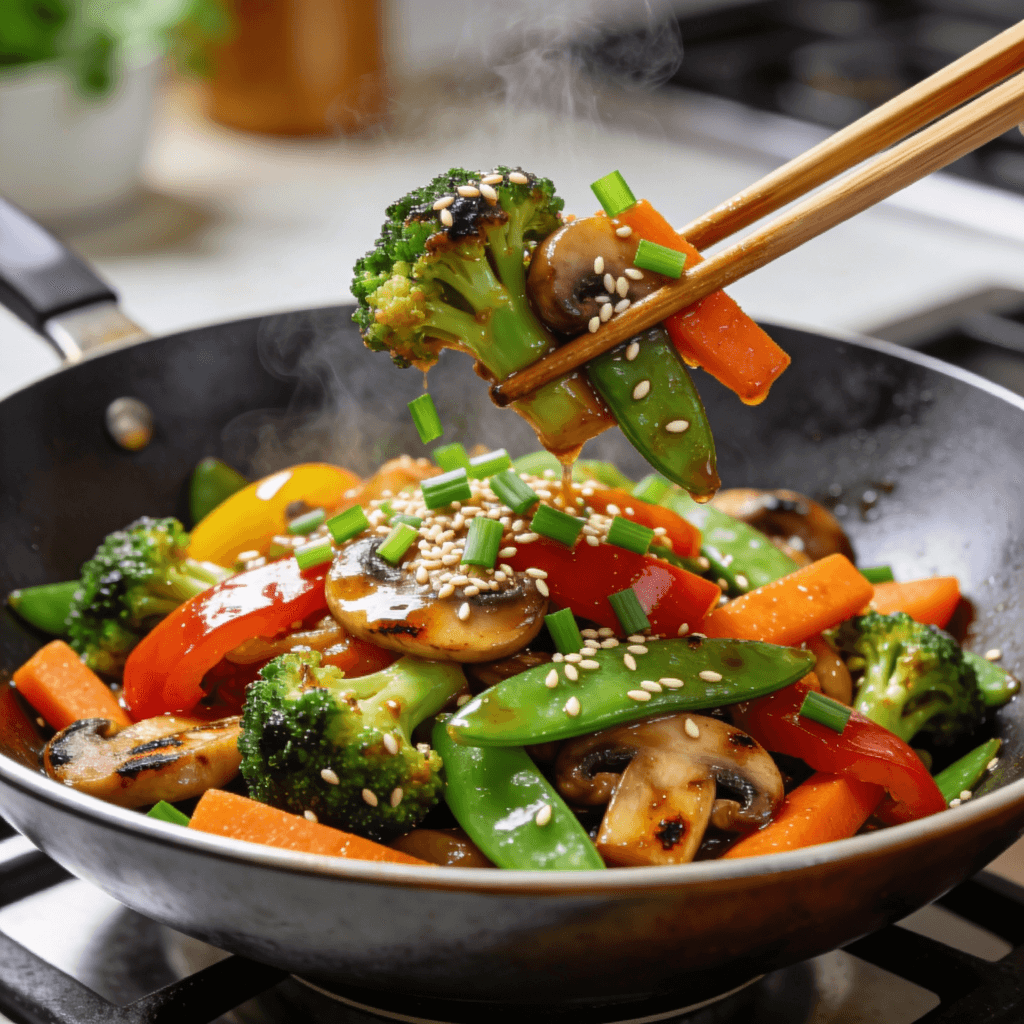
Sam’s Pro Tips for Perfect Stir-Fried Vegetables
Use a Wok for Even Heat Distribution
If you have one, a wok makes a noticeable difference when cooking stir-fried vegetables. Its shape allows heat to spread quickly and evenly, which is key for achieving that signature crisp-tender vegetable stir fry texture. If you don’t have a wok, a large skillet will still work—just make sure it’s wide enough to avoid overcrowding.
Cook Over High Heat for the Best Texture
High heat is essential for great stir-fried vegetables. It helps sear the vegetables quickly instead of steaming them, which keeps them vibrant and slightly crunchy. This is one of the most important steps in making a quick vegetable stir fry recipe that isn’t soggy.
Keep Everything Moving
Once your vegetables hit the pan, keep them moving. Stirring constantly prevents burning and ensures even cooking. It also helps maintain that perfect bite you expect from a fresh, colorful vegetable stir fry.
Finish with Flavor for That Final Touch
A small finishing touch can elevate your stir-fried vegetables from good to great. I like adding a drizzle of sesame oil or a sprinkle of chopped scallions right at the end. It adds aroma, depth, and that final layer of flavor that makes the dish feel complete—just like a well-balanced restaurant-style vegetable stir fry.
A Chef’s Quick Insight
From my experience, the secret to perfect stir-fried vegetables isn’t complicated—it’s about heat, timing, and simplicity. When you respect those basics, even the simplest ingredients can turn into something incredibly satisfying.
Layer Your Vegetables Like a Pro
- Start with firm vegetables first: For a well-balanced stir-fried vegetables dish, begin with ingredients like carrots, broccoli, and cauliflower. These take longer to cook and benefit from direct heat early on, helping you build a strong base for a quick vegetable stir fry recipe that cooks evenly.
- Add softer vegetables later: Once the firmer vegetables begin to soften, add quicker-cooking ingredients like bell peppers, zucchini, mushrooms, or leafy greens. This step is key to avoiding overcooking and achieving that perfect crisp-tender vegetable stir fry texture.
- Balance texture for better flavor: One of my favorite tricks is combining crunchy and tender vegetables in the same pan. This contrast is what turns a simple dish into a more satisfying mixed vegetable stir fry that feels complete and thoughtfully cooked.
- Cook in stages, not all at once: Layering your vegetables instead of tossing everything in together is what separates a good dish from a great one. It allows each ingredient to cook at the right pace, giving you a more consistent result—exactly what you want from a perfectly cooked vegetable stir fry every time.
Explore More Recipes Like Stir-Fried Vegetables
Discover More Easy Stir Fry Ideas
Once you get comfortable making stir-fried vegetables, it opens the door to so many variations. You can experiment with sauces, proteins, and seasonal ingredients to create your own custom vegetable stir fry recipes that never feel repetitive.
Build a Reliable Weekly Menu
I always encourage building a rotation of meals you can rely on. Recipes like stir-fried vegetables are perfect for this because they’re quick, flexible, and easy to adapt. Adding similar dishes helps you create a routine of healthy, quick dinner ideas that actually work in real life.
Keep Cooking Simple and Enjoyable
Cooking shouldn’t feel overwhelming. With recipes like this, you can focus on technique and flavor without unnecessary complexity. That’s what makes stir-fried vegetables such a valuable recipe—it teaches you skills you can use again and again.
Explore More Recipes
- Best Ever Baked Ziti with Ricotta and Mozzarella (Easy & Cheesy) – a classic comfort dish
- Spaghetti Pie Recipe (Cheesy Baked Pasta Dinner Everyone Loves) – hearty and satisfying
- Broccoli Bacon Cheddar Chicken (Easy, Cheesy One-Pan Dinner You’ll Crave) – rich and flavorful
Build Flavor Without Overcomplicating
- Start with garlic (and ginger for depth): A quick sauté of garlic—and a little ginger if you like—creates the foundation for flavorful stir-fried vegetables. This simple step adds aroma and warmth, making your dish taste layered without needing a long ingredient list.
- Keep the sauce simple and balanced: You don’t need a complicated mix to make a great vegetable stir fry with sauce. A combination of soy sauce and sesame oil goes a long way, delivering savory richness while letting the natural flavor of the vegetables shine through.
- Finish with a flavor boost: A small splash of rice vinegar or a touch of chili paste added at the end can brighten the entire dish. This finishing step helps create a more dynamic quick vegetable stir fry recipe without overpowering it.
- Use restraint for better results: One of the biggest mistakes I see is adding too much sauce too early. For the best balanced stir-fried vegetables, add just enough at the end to lightly coat everything—this keeps the texture crisp and the flavors clean.
Master the Cooking Technique
- Keep everything moving: Constant stirring is essential for great stir-fried vegetables. It prevents burning, cooks everything evenly, and helps maintain that signature crisp-tender bite you want in a quick vegetable stir fry recipe.
- Use a wide pan or wok: A wok or large skillet gives your vegetables space to cook properly. Better heat distribution means better searing, which is key for achieving that restaurant-style vegetable stir fry texture at home.
- Cook fast, not long: Most vegetables only need about 5–10 minutes. Cooking quickly over high heat locks in flavor and color, creating a vibrant and healthy stir fry vegetables dish that doesn’t feel overcooked.
- Preheat before adding ingredients: One of my go-to habits is making sure the pan is hot before anything goes in. This simple step helps avoid steaming and gives your vegetables that lightly charred, flavorful edge.
Choose the Right Vegetable Mix
- Go for color and variety: A vibrant mix is the foundation of great stir-fried vegetables. Think broccoli, carrots, red and yellow bell peppers, and snap peas. More color doesn’t just look better—it usually means a wider range of nutrients and a more appealing colorful vegetable stir fry recipe.
- Cook with the seasons: Using seasonal produce gives you fresher flavor and better texture. It’s also a smart way to keep your easy vegetable stir fry budget-friendly while making the most of what’s at its peak.
- Balance textures for a better bite: Combine firm, crunchy vegetables with softer ones so every bite feels interesting. Broccoli and carrots bring structure, while peppers and snap peas add freshness—creating a well-rounded mixed vegetable stir fry that doesn’t feel one-dimensional.
- Prep smart for even cooking: Cut vegetables into similar sizes so they cook at the same pace. This small detail helps you avoid undercooked or overcooked pieces in your quick stir fry vegetables recipe.
- A chef’s simple insight: From my experience, choosing the right mix is what turns basic ingredients into something memorable. According to The National Institutes of Health, eating a variety of vegetables supports balanced nutrition—so a colorful stir fry isn’t just beautiful, it’s beneficial too.
Easy Variations
Spicy Stir-Fried Vegetables
If you enjoy a little heat, turning your stir-fried vegetables into a spicy version is one of the easiest upgrades. Add chili flakes, sriracha, or even chili garlic paste during cooking to create a bold spicy vegetable stir fry recipe that still keeps that crisp texture and vibrant flavor.
Garlic Ginger Vegetables
For a more aromatic twist, add about 1 teaspoon of freshly grated ginger along with garlic. This combination brings warmth and depth, creating a more Asian-inspired vegetable stir fry that tastes layered and restaurant-quality without extra effort.
Sweet and Sour Stir-Fry
If you like a balance of sweet and tangy, mix in pineapple chunks and a splash of rice vinegar toward the end. This transforms your stir-fried vegetables with sauce into a bright, slightly sweet dish that’s perfect for pairing with rice or noodles.
Protein Add-Ons for a Complete Meal
To turn your stir-fried vegetables into a full meal, add tofu, shrimp, or thinly sliced chicken or beef. This simple step converts it into a high-protein stir fry dinner idea, making it more filling while still keeping things quick and easy.
Low-Carb Stir-Fry Option
For a lighter approach, serve your stir-fried vegetables over cauliflower rice or zucchini noodles. This creates a satisfying low-carb vegetable stir fry meal that’s perfect if you’re watching your carb intake but still want something flavorful and comforting.
Make It Healthier Options for Stir-Fried Vegetables
Use Less Oil Without Losing Flavor
When making stir-fried vegetables, you don’t need a lot of oil to get great results. A small amount—just enough to coat the pan—still allows you to achieve that lightly seared texture. If needed, you can add a splash of water or broth while cooking to keep things from sticking. This is one of my favorite tricks for creating a low-calorie vegetable stir fry that still tastes rich and satisfying.
Add More Greens for Extra Nutrients
One of the easiest ways to boost the nutritional value of your stir-fried vegetables is by adding leafy greens like spinach, bok choy, or kale. They cook quickly and blend seamlessly into the dish, turning it into a more nutrient-dense vegetable stir fry packed with fiber, vitamins, and minerals.
A Chef’s Healthy Cooking Insight
From my experience, small adjustments go a long way. You don’t have to sacrifice flavor to make stir-fried vegetables healthier—just balance your ingredients and cooking method. For more practical, science-backed guidance, I often refer to Cleveland Clinic, which shares helpful tips on building healthier meals without overcomplicating your routine.
Storage & Reheating for Stir-Fried Vegetables
Fridge Storage for Fresh, Ready-to-Go Meals
Store your stir-fried vegetables in an airtight container in the refrigerator for up to 4 days. I always let them cool completely before storing—this helps preserve that crisp-tender texture and keeps your easy vegetable stir fry from becoming soggy. It’s perfect for quick lunches or adding to bowls throughout the week.
Freezer Tips for Longer Storage
If you want to extend shelf life, you can freeze cooled portions in freezer-safe bags for up to 1 month. While stir-fried vegetables are best fresh, freezing still works well for meal prep vegetable stir fry ideas—just expect a slightly softer texture after reheating.
Best Way to Reheat Without Losing Texture
To reheat, you can microwave in 30-second bursts, but my preferred method is tossing them back into a pan over medium heat with a small splash of water. This brings back moisture without overcooking, helping your stir-fried vegetables taste closer to freshly made.
Perfect for Meal Prep and Bento Boxes
One of the reasons I love making stir-fried vegetables is how versatile they are for meal prep. They fit perfectly into bento lunches, pair easily with rice or protein, and make batch-cooking vegetables for the week simple and efficient.
Make It a Meal with Stir-Fried Vegetables
Build a Balanced Plate Around It
When I serve stir-fried vegetables, I always think about balance. The dish already brings freshness and texture, so pairing it with the right sides turns it into a complete, satisfying meal. For a simple option, serve it over steamed rice or noodles to create a quick stir fry dinner idea that feels filling without being heavy.
Add Protein for a Complete Dinner
To transform your stir-fried vegetables into a полноцен meal, add grilled chicken, sautéed shrimp, or crispy tofu. This instantly creates a high-protein stir fry meal that’s perfect for busy weeknights or meal prep. I often do this when I want something that feels substantial but still light and nutritious.
Keep It Light or Make It Comforting
If you prefer a lighter approach, pair your stir-fried vegetables with cauliflower rice or enjoy them on their own. For a more comforting version, serve with fried rice or noodles. This flexibility is what makes it such a reliable easy vegetable stir fry recipe for different moods and dietary needs.
Complete Your Meal With These Recipes
- High-Protein Crispy Korean Popcorn Chicken (Easy 35-Min Recipe) – adds crunch and protein
- Crispy Cracker Thin Tortilla Pizzas (Quick & Easy Recipe Ready in Minutes) – fun and shareable
- Cheesy Potato Pancakes Recipe – Crispy, Golden, and Gooey Comfort Food Made Easy – perfect crispy side
Want to understand more about the nutritional profile of common stir-fry ingredients? The USDA FoodData Central is a great tool for looking up vitamins and macros.
A Chef’s Real-Life Tip
- Keep it simple: The best stir-fried vegetables don’t come from complicated recipes—they come from understanding heat, timing, and balance.
- Taste as you go: I always adjust seasoning at the end. This helps you control flavor without overdoing it, especially when working with sauces.
- Confidence comes with practice: The more you make this dish, the easier it becomes. According to Cleveland Clinic, cooking at home regularly can help you build healthier habits—and this is one of the easiest recipes to start with.
Frequently Asked Questions About Stir-Fried Vegetables
What vegetables are best for stir fry?
The best vegetables for a stir fry vegetables recipe are those that hold their shape and cook quickly. Broccoli, carrots, bell peppers, snap peas, mushrooms, and zucchini are all excellent choices. Combining different textures creates a more satisfying dish.
How do you keep vegetables crispy when stir frying?
To achieve crisp results in a quick vegetable stir fry recipe, cook over high heat, avoid overcrowding, and keep everything moving. Cooking in batches helps prevent steaming and keeps vegetables vibrant.
What oil is best for stir frying vegetables?
Use oils with a high smoke point like canola, vegetable, or peanut oil. These allow proper searing without burning, which is essential for a well-executed easy stir fried vegetables dish.
How long should you stir fry vegetables?
Most vegetables cook in 5–10 minutes. The goal is tender-crisp texture, which is key for a successful healthy vegetable stir fry recipe.
Can you stir fry vegetables without oil?
Yes, you can make a no-oil vegetable stir fry using a nonstick pan and small amounts of water or broth. It’s a great option for a lighter, low-calorie meal.
What sauce is best for stir fried vegetables?
A simple garlic soy sauce works well, but you can also use teriyaki or hoisin. The key is balance—just enough to coat the vegetables in a stir fry vegetables with sauce without overpowering them.
Are stir-fried vegetables healthy?
Yes, especially when cooked quickly with minimal oil. According to ScienceDirect, eating a variety of vegetables supports overall health and nutrient intake.
Can you meal prep stir fried vegetables?
Yes, a meal prep vegetable stir fry stores well and reheats quickly, making it ideal for busy schedules.
Why are my stir fried vegetables soggy?
Sogginess usually comes from overcrowding the pan or cooking at low heat. High heat and proper spacing are key for a crisp result.
Do you cook meat or vegetables first in stir fry?
Cook protein first, then remove it before cooking vegetables. Combine everything at the end for best results in a stir fry with vegetables and protein.
Can I use frozen vegetables for stir fry?
Yes, but thaw and drain them well. Fresh vegetables typically provide better texture in a quick stir fry vegetable recipe.
How do you add flavor without too much salt?
Use garlic, ginger, vinegar, or citrus to enhance flavor naturally. Cleveland Clinic recommends using herbs and aromatics to reduce sodium intake.
What is the secret to restaurant-style stir fried vegetables?
High heat, quick cooking, and proper timing create that signature flavor and texture.
Can stir fried vegetables be a main dish?
Yes, especially when paired with protein or grains, making it a complete healthy stir fry dinner idea.
What is the best pan for stir frying vegetables at home?
A wok is ideal because it distributes heat evenly and allows fast cooking. However, a wide skillet also works well for a simple vegetable stir fry recipe.
How do you cut vegetables for stir fry?
Cut vegetables into uniform sizes so they cook evenly. Thin slices or bite-sized pieces are best for a quick-cooking vegetable stir fry.
Can I make stir fried vegetables ahead of time?
Yes, you can prep ingredients ahead and cook just before serving. You can also cook in advance and reheat, making it great for easy meal prep ideas.
How do you prevent vegetables from sticking to the pan?
Use a properly heated pan and a small amount of oil. Stir frequently to prevent sticking and burning.
What proteins go well with stir fried vegetables?
Chicken, shrimp, tofu, and beef all pair well. Adding protein transforms it into a more filling balanced stir fry meal.
Can I make this dish gluten-free?
Yes, simply use gluten-free soy sauce or tamari to make a gluten-free vegetable stir fry recipe.
What’s the best way to reheat stir fried vegetables without losing texture?
Reheat quickly in a hot pan rather than microwaving. This helps restore texture and flavor, making leftovers taste fresh again.
Final Thoughts
These stir-fried vegetables are proof that simple, wholesome ingredients can turn into something vibrant and crave-worthy. They’re the ideal balance of fast and flavorful—plus they’re easy on the wallet and packed with nutrients. From the sizzling garlic in the pan to the final toss of glossy, colorful veggies, this dish delivers every time.
Whether you’re feeding a hungry family, prepping meals for the week, or just want a clean, colorful side dish in under 30 minutes, this recipe will become your go-to. Try it once, and you’ll see why stir-fried vegetables deserve a permanent place in your dinner rotation.
“Fresh, vibrant, and full of flavor—these stir-fried vegetables prove that simple ingredients can create something truly special.” – Sam
📌 Pin & Share the Love
✨ Love this Stir-Fried Vegetables? Pin it to your Healthy Recipes board and tag us @readyprepmeals!
📌 Pin This Recipe: Easy Stir-Fried Vegetables
These stir-fried vegetables are packed with color, crunch, and flavor! A quick garlic soy sauce ties everything together in under 20 minutes.
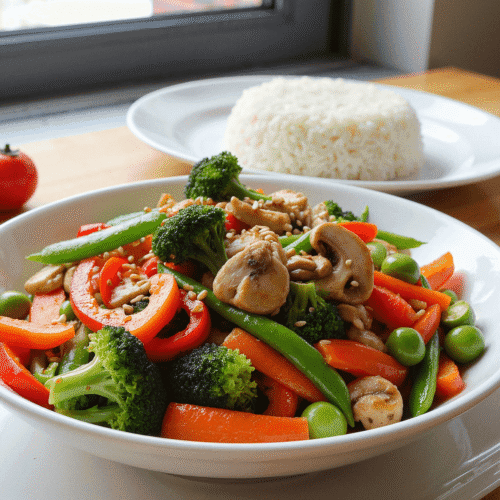
Stir-Fried Vegetables: Quick, Colorful, and Packed with Flavor

Ingredients
- 2 cups Broccoli florets
- 1 Red bell pepper, sliced
- 1 Yellow bell pepper, sliced
- 1 cup Snap peas
- 1 Medium carrot, thinly sliced
- 2 cloves Garlic, minced
- 1 tbsp Soy sauce (or tamari for gluten-free)
- 1 tsp Sesame oil
- 1 tbsp Neutral oil (canola, avocado)
- ½ tsp Cornstarch mixed with 1 tbsp water (optional for thickening)
Optional Add-ins:
- Mushrooms, zucchini, bok choy, baby corn, tofu, edamame, or shredded cabbage
Sauce Spotlight: Simple Garlic Soy Stir-Fry Sauce
- 1 tbsp Soy sauce
- 1 tsp Sesame oil
- ½ tsp Sugar or maple syrup
Instructions
- Prep Everything First:Stir-frying is fast—so prep all veggies and measure out sauces before heating the pan. Uniform cuts are key to even cooking.
- Heat Oil and Cook Aromatics:In a large skillet or wok, heat neutral oil over medium-high heat. Add garlic and stir-fry for 30 seconds, just until fragrant.
- Add Firm Vegetables First:Add broccoli and carrots. Stir-fry for 2–3 minutes until they begin to soften but still hold their color and crunch.
- Add Quick-Cooking Veggies:Toss in bell peppers and snap peas. Stir-fry for another 2–3 minutes, keeping the vegetables moving to avoid burning.
- Pour in Sauce:Add your garlic soy mixture and toss to coat. Cook another 1–2 minutes until veggies are tender-crisp and glossy. Add slurry if using.
Notes
Discover more from Ready Prep Meals
Subscribe to get the latest posts sent to your email.